Fluoride varnish is meant to stay on teeth for several hours after application. Do not scrape it off or brush immediately. Follow the exact aftercare instructions from your dental office or the product label. Once the recommended contact period has passed, brush and floss normally; this will remove the remaining film.
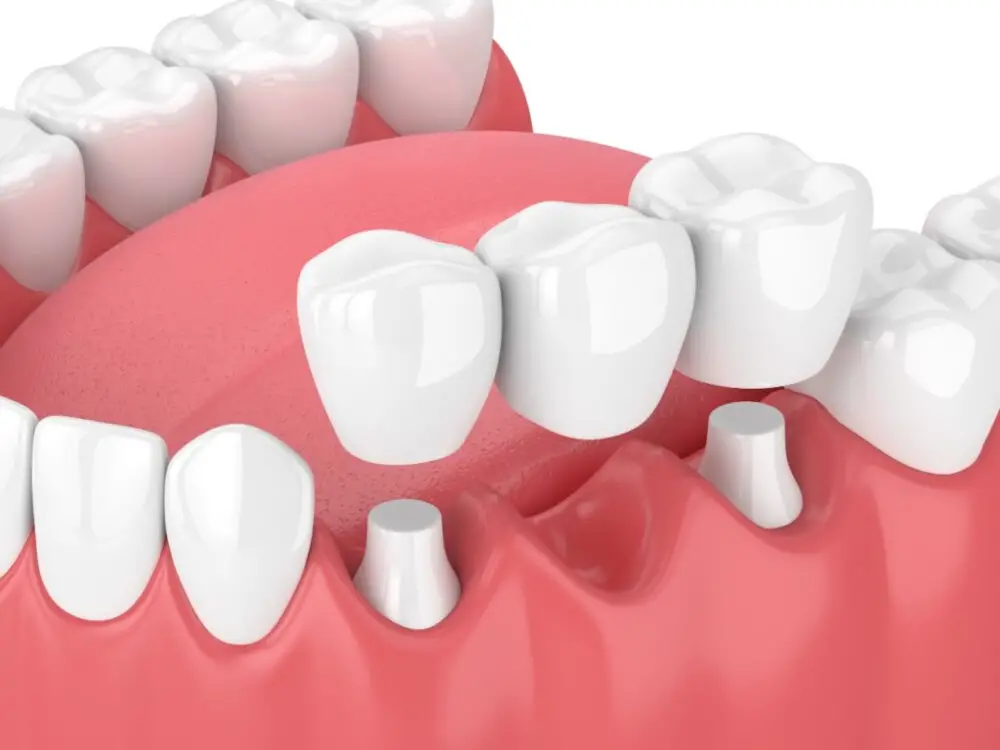
What fluoride varnish is—and why it stays on
Fluoride varnish is a concentrated topical fluoride coating applied by a dental professional. Many products contain 5% sodium fluoride, which provides 2.26% fluoride ion. Varnish sets when it contacts saliva and helps keep a high concentration of fluoride near tooth surfaces for several hours. It is not a permanent coating or a substitute for daily brushing, flossing, and dental care.
The thin film may feel tacky or rough, and teeth can look temporarily dull, yellowish, or patchy depending on the product. That sensation or appearance alone does not mean the varnish is harmful or that it must be removed immediately. Residual material commonly becomes less noticeable and is removed with normal brushing after the instructed waiting period.
Dental teams may use varnish to help prevent cavities or manage sensitivity for selected patients. A single application does not permanently seal teeth; whether and when to repeat treatment depends on a person’s risk and the clinician’s judgment. For background on how long fluoride protection lasts, remember that varnish film and long-term cavity prevention are not the same thing.

How long should you wait before brushing?
There is no single waiting time that applies to every fluoride varnish. The ADA advises following the manufacturer-recommended interval. Current manufacturer instructions illustrate why: one 5% sodium-fluoride product advises avoiding brushing and flossing for about 2–4 hours, while another recommends a longer period, such as 3–6 hours or preferably overnight. These are examples, not interchangeable instructions for every product.
Your dental office’s directions for the product applied to your teeth should take priority over general advice online. If instructions were not provided, call the office and ask for the varnish name and the recommended time before brushing, flossing, eating, or using mouthrinse. Do not assume that every product can be brushed off after 30 minutes or that every product requires a full day.
Early brushing can shorten the time the product remains against the teeth. The ADA describes varnish as keeping concentrated fluoride close to the tooth surface for several hours; no exact loss of benefit should be assumed for a particular person without product-specific evidence. If you accidentally brushed sooner than directed, do not try to reapply varnish yourself. Contact the dental office if you have questions about whether another application is appropriate.
Eating, drinking, and mouthwash after treatment
Food and drink instructions also vary. Some products allow eating but recommend soft foods at first. Others ask patients to avoid certain foods, beverages, or brushing for a defined period. When allowed to eat, choose soft, cool or room-temperature foods if your instructions recommend them. Avoid hard, crunchy, sticky foods that could disturb the coating during the initial period.
Some labels advise avoiding very hot drinks or alcohol-containing beverages and mouthrinses for several hours. This is not a universal rule for all formulations. Check the written directions supplied by your dental professional; if the product’s label gives a specific time, use that time. Water is often permitted, but follow your own instructions if they say otherwise.
- Keep the aftercare sheet or take a photo of it so you can check the timing later.
- Choose soft foods only when the product instructions recommend them.
- Ask before using mouthwash, whitening products, or any rinse with alcohol during the waiting period.
Do not use a whitening rinse, abrasive toothpaste, baking soda, peroxide, or whitening strips to make the film disappear faster. These are not varnish-removal methods and can irritate the mouth or teeth. For routine preventive care after the product-specific wait, use a soft-bristled brush and fluoride toothpaste; see our guide to choosing toothpaste and this overview of daily oral hygiene.
How to remove the remaining film safely
After the waiting period in your instructions has passed, you can resume ordinary oral hygiene unless the dental team gave different directions. You do not need to scrape the varnish away. Do not use fingernails, toothpicks, dental picks, scalers, curettes, rough cloth, or abrasive powders. Those tools can injure gum tissue or damage tooth and restoration surfaces, and scraping defeats the intended contact time.
- Wait for the instructed interval. If it is unclear, contact the dental office instead of guessing.
- Brush gently and normally. Use a soft toothbrush and fluoride toothpaste, unless your clinician advised otherwise.
- Floss normally. Do not force floss or try to dig varnish from between teeth.
- Let small flecks clear with routine care. Avoid vigorous scrubbing to remove every visible trace at once.
If a little coating remains after the first normal brushing, continue your usual routine rather than applying a whitening or abrasive product. The material commonly wears away or becomes less noticeable over the next day. Contact the dental office if a substantial amount remains, the area feels abnormal, or you are unsure which aftercare directions apply.
Patients asking about cleaning after other dental procedures may also find our guides to eating after a dental cleaning and brushing after fluoride treatment useful. The fluoride-treatment guide covers different formats too; its advice should still be checked against the product actually used.
Why dentists apply varnish and when it may be repeated
Topical fluoride supports enamel’s resistance to acid and can help prevent tooth decay. Professional varnish may be considered for children or adults based on cavity risk, oral health, and a dental professional’s assessment. The ADA describes varnish as setting on contact with saliva and holding fluoride close to the teeth for several hours. The varnish itself is not expected to remain as a visible film indefinitely.
Reapplication intervals are not one-size-fits-all. A clinician may consider prior cavities, new lesions, dry mouth, orthodontic appliances, exposed root surfaces, diet, oral hygiene, and other risk factors. Do not infer that visible residue means there is dangerous “fluoride buildup,” or that the teeth need an immediate professional removal appointment. A professionally applied measured amount leaves temporary coating as expected; if you have a concern, ask the dental office that treated you.
To support cavity prevention between appointments, brush twice daily with fluoride toothpaste, clean between teeth, and attend dental visits at the interval recommended for you. If you are comparing products, our pages on fluoride mouthrinse and toothpaste for cavity prevention discuss other routine-care products. They do not replace professional advice about varnish aftercare.
When to contact a dental professional
A temporary sticky, rough, or coated feeling is common and does not by itself indicate an allergy. Call the dental office if the sensation is severe or persists, if a large amount of material remains after routine brushing the following day, or if you do not know what product was applied. The treating team can identify the varnish and advise you based on its label.
Seek prompt medical advice for a suspected allergic reaction such as an unusual rash or swelling. Breathing difficulty or rapidly worsening swelling needs emergency care. These symptoms are different from the expected feel of a temporary coating. For broader questions about tooth sensitivity, read why cold water may hurt teeth; new or persistent sensitivity should be assessed rather than self-treated by scraping varnish.
Frequently asked questions
Can I brush fluoride varnish off the same day?
Usually you should wait for the exact interval given by the dental office or product label. Depending on the varnish, instructions may range from a few hours to overnight. After that wait, brush normally.
Can I remove varnish with a fingernail or dental pick?
No. Do not scrape or pick at it. Wait for the recommended interval, then use ordinary brushing and flossing to clear remaining film.
How long will my teeth feel sticky?
The coating may feel sticky or rough temporarily. Residual material commonly becomes less noticeable and is removed with routine brushing after the recommended waiting period; the ADA product review notes residue generally diminishes within about 24 hours.
Can I eat after fluoride varnish?
Follow the instructions for the product used. Some directions permit food but recommend soft foods for a period; others may set different restrictions. Avoid guessing from another product’s label.
Does visible varnish mean I have too much fluoride?
No. A visible or rough temporary film is expected after application and is not by itself evidence of an overdose. Ask the dental office about unusual symptoms or concerns.