Pacifiers can soothe infants, and use during sleep is associated with a lower risk of sudden infant death syndrome (SIDS). The dental concern is different: frequent, prolonged sucking can influence how a young child’s teeth and jaws meet as they develop. “Pacifier teeth” is an informal label; a bite assessment guides orthodontic decisions.
What people mean by “pacifier teeth”
“Pacifier teeth” is informal shorthand for a bite pattern sometimes linked to prolonged sucking. It is sometimes used to describe a bite pattern that may be associated with a long-lasting sucking habit. A pacifier does not make a child’s teeth a different kind of tooth, and the habit does not guarantee that the bite will change. Risk depends on how often the pacifier is used, how long the habit continues, and the intensity of the sucking, along with a child’s individual growth and development.
Dental professionals use terms such as malocclusion for differences in how the upper and lower teeth fit together. A pediatric dentist can tell whether an observed space or overlap is part of normal development, a temporary change, or a bite concern that needs monitoring. A parent’s observation is useful information, but it is not a diagnosis.
Habit-related bite changes are not the same thing as cavities. Early childhood caries is tooth decay associated with plaque bacteria and repeated exposure to fermentable carbohydrates. Conflating decay with pacifier-related tooth position can make families worry about the wrong problem and distract from the right prevention steps.
Which bite changes can be associated with prolonged sucking?
AAPD guidance notes that nonnutritive sucking habits can affect the developing bite, particularly when they continue beyond toddlerhood. The patterns clinicians may assess include an anterior open bite, a posterior crossbite, and some Class II-type relationships. These terms describe different features; only an examination can establish whether one is present or what caused it.
In an open bite, a space may remain between the front teeth when a child closes the back teeth together. With a posterior crossbite, the upper back teeth may sit inside the lower back teeth on one or both sides. Increased overjet means the upper incisors project forward relative to the lower incisors; it is not the same measurement as vertical overbite. Children’s bites change as the jaws and teeth develop, so context matters.
These patterns can have causes other than pacifier use, including inherited jaw relationships and other oral habits. Do not assume that a speech, breathing, swallowing, or chewing concern was caused by a pacifier. If a child has persistent symptoms or a sudden functional change, discuss that concern with the child’s pediatrician or dentist on its own merits.
What pacifier sucking does not mean
A clean, unsweetened pacifier does not mechanically create cavities, “weaken” enamel, or cause gum disease simply because a child sucks on it. Cavities are a different process. Plaque bacteria use sugars and other fermentable carbohydrates to make acids that can damage tooth mineral over time. Putting honey, sugar, syrup, or another sweet liquid on a pacifier can expose teeth to sugar and should be avoided.
Likewise, a child who uses a pacifier does not automatically have a narrow palate, a speech disorder, an airway problem, or a need for orthodontic treatment. Some bite changes improve after the habit ends, especially when the child is young, but the course differs. A dentist can monitor a developing bite and recommend an assessment if a specific issue persists.
Use precise terms when talking about teeth. An overjet is horizontal projection of the upper front teeth; an overbite is their vertical overlap. Neither word alone explains why a child’s teeth look a certain way. For more on the regular care that helps catch changes early, see our guide to what happens at a routine dental check-up.
Why duration and frequency matter
The evidence and professional guidance focus on a habit that is frequent and sustained, not on a pacifier used briefly for comfort. AAPD describes risk in relation to the duration, frequency, and intensity of nonnutritive sucking. A child who uses a pacifier only at sleep may have a different exposure pattern from a child who sucks on it for much of the day; neither pattern lets a parent predict an individual bite outcome with certainty.
Try observing when the pacifier is actually needed rather than counting every use as equal. Is it used for naps, bedtime, travel, or distress? Is it in the child’s mouth during most waking hours? This information can help a family and pediatric dentist decide on a realistic reduction plan. A gradual change is often easier than an abrupt rule, particularly when a pacifier has become part of a child’s soothing routine.
Thumb or finger sucking can involve similar prolonged pressure on the developing bite. If a child uses more than one soothing habit, mention all of them at the dental visit. Related topics include our articles about thumb-sucking and pacifier habits and pacifier weaning and oral development; use a clinician’s advice to interpret the child’s own situation.
Age guidance: 12 months, 18 months, and 36 months
Age recommendations describe different considerations and should not be collapsed into a single cutoff. AAPD encourages a dental home by 12 months. It notes that pacifier use after 12 months is associated with an increased risk of acute otitis media, an ear-health issue rather than a dental diagnosis. AAPD also says use beyond 18 months can influence the developing orofacial complex, and recommends discontinuing nonnutritive sucking habits by about 36 months.
These milestones are opportunities for anticipatory guidance, not reasons to shame a family or abruptly remove a source of comfort. Ask the child’s pediatrician about how ear infections, sleep, feeding, and the child’s circumstances affect a weaning plan. Ask a pediatric dentist about an open bite, crossbite, or another change noticed during toothbrushing. Earlier support may be useful when a habit is frequent or a bite change is already visible.
Pacifier use at naps and bedtime is also included in infant safe-sleep guidance and is associated with reduced SIDS risk. The American Academy of Pediatrics frames this as an infancy sleep practice; it does not support years of continuous daytime sucking. If a family is following breastfeeding guidance, the AAP advises waiting until breastfeeding is established before introducing a pacifier. Follow the infant’s clinician and current safe-sleep recommendations for the child’s age.
How to notice a possible bite change
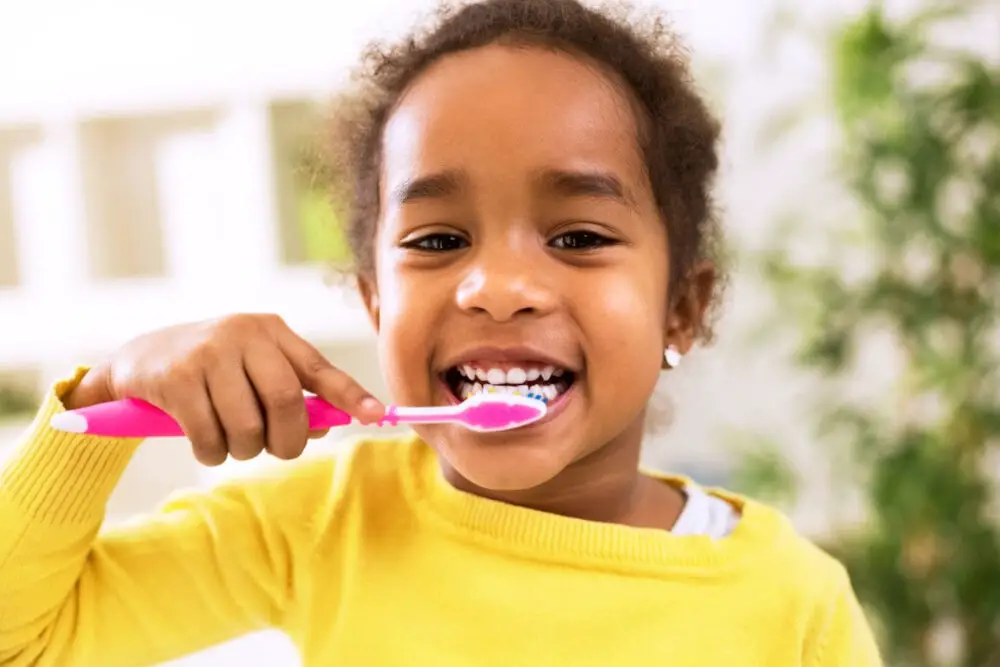
Parents do not need to inspect or measure a child’s teeth at home. During routine brushing, you may notice that the front teeth do not touch when the back teeth meet, the upper front teeth project more than before, or upper back teeth seem to sit inside the lower teeth. A change that is persistent or concerning is a good reason to ask for a dental assessment, not to try to diagnose the type of malocclusion yourself.
A pediatric dentist considers the child’s age, tooth eruption, jaw growth, family history, and other habits. They may monitor the bite at regular visits rather than begin treatment. If an assessment is needed, bring a simple account of how often the pacifier is used and what strategies the family has tried. A photo taken at home cannot replace an examination, but noting when a change was first noticed can help explain the concern.
A gentle plan for reducing pacifier use
Choose a plan that fits the child’s temperament and household routine. The goal is to reduce a sustained habit with support, not to punish a child for seeking comfort. Small, predictable steps can make a change easier for both the child and caregiver.
Start with daytime use
If the pacifier is used throughout the day, begin by keeping it for the moments when it is most helpful. Put it away during play, meals, and conversation, and offer another soothing option such as cuddling, a comfort object that is safe for the child’s age, singing, or a quiet activity. Explain the routine in simple, positive language.
Keep the new routine consistent
After daytime use is reduced, a family may choose a later step for naps or bedtime. Praise the child for trying, and expect setbacks during illness, travel, or other stressful changes. Avoid teasing, threats, bitter substances, or physical restraint. If attempts repeatedly cause distress or the child has additional developmental or medical needs, ask the pediatrician or dentist for individualized ideas.
Ask before using a device or special pacifier
Do not rely on an “orthodontic” or specially shaped pacifier as proof that prolonged use is harmless. AAPD says more research is needed on pacifier design and its ability to minimize disturbances in the developing occlusion. Product shape does not replace attention to duration and frequency, or a dental evaluation when concerns arise.
- Pick a manageable first step, such as pacifier-free playtime.
- Offer a predictable comfort alternative and give the child time to adjust.
- Use encouragement rather than shame or punishment.
- Bring persistent difficulty or visible bite changes to the child’s care team.
For practical brushing routines that can fit alongside weaning, see our guides to making toddler toothbrushing less stressful and teaching children to brush.
Keep the pacifier clean and intact
Pacifier hygiene and product safety are separate from bite development. Follow the manufacturer’s cleaning instructions, use a pacifier intended for the child’s age, and inspect it before use. Replace a pacifier that is cracked, torn, sticky, or otherwise damaged. Do not dip it in honey, sugar, or sweet drinks. Avoid attaching it to a cord or ribbon around an infant’s neck or to the crib; follow current safe-sleep and product-safety guidance.
- Check the nipple and shield for wear or damage.
- Do not enlarge a nipple or repair a damaged pacifier.
- Use a design that meets current age and safety directions.
- Keep sweeteners off the pacifier to reduce avoidable sugar exposure.
These steps support general cleanliness and safer use; they do not prevent every bite change. If you have a product-specific safety question, check the manufacturer’s directions and ask the child’s clinician.
Establish a dental home early
AAPD recommends establishing a dental home by the first birthday. An early visit gives caregivers a place to ask about pacifier use, toothbrushing, fluoride, feeding, and what to expect as baby teeth arrive. It also creates a baseline, so the clinician can observe the child’s mouth over time instead of reacting to a single photograph or online checklist.
At the visit, share when the pacifier is used, whether the habit is changing, and what you have noticed about the bite. The dentist can explain whether to monitor, offer weaning support, or arrange further evaluation. Regular visits also support prevention of tooth decay through age-appropriate oral hygiene and dietary advice. Our overview of how baby teeth develop and are replaced can help families understand that a child’s mouth changes over time.
Common questions
Takeaway
Pacifier use is not a disease and is not the same as bottle-related tooth decay. The dental issue to watch for is the possible effect of frequent, prolonged sucking on the developing bite. AAPD notes possible influence after 18 months and recommends ending nonnutritive sucking habits by about 36 months; its 12-month ear-infection guidance is a separate consideration. Use a calm, gradual weaning plan, keep sweeteners off the pacifier, and ask a pediatric dentist to assess a persistent habit or visible open bite or crossbite.