
Sinus pain can be an incredibly uncomfortable and distressing experience, and it’s not uncommon for people to experience this type of pain in their teeth. Many people are surprised to learn that there is a connection between the sinuses and teeth; however, it’s an important connection to understand, particularly if you suffer from sinus pain. In this article, we will explore which teeth are connected to your sinuses and how this connection can impact your overall dental health. The sinuses are a series of hollow cavities in your head that are lined with a thin layer of tissue called the mucous membrane. These cavities are responsible for producing mucus, which helps to keep your nasal passages moist and clean. When your sinuses become inflamed, it can cause a range of symptoms, including facial pain, headaches, and toothache. The roots of some upper premolars and molars lie close to the maxillary sinus floor. Inflammation there can be felt as an ache in nearby teeth even when those teeth are healthy; upper back teeth are the common pattern. Mayo Clinic describes this referred pain. Understanding which teeth are connected to your sinuses can help you to identify the cause of your toothache and seek appropriate treatment.
Sinus pain can be a result of a variety of factors, including allergies, infections, or anatomical abnormalities. The sinuses are hollow cavities located in the bones of the face, and their purpose is to produce mucus that helps to humidify and filter the air we breathe. When the sinuses become inflamed or infected, the resulting pressure can cause pain and discomfort, often felt as a dull ache or pressure in the face, forehead, or around the eyes. In some cases, sinus pain may also be accompanied by a headache, congestion, or a feeling of fullness in the ears. Understanding which teeth are connected to the sinuses can help to identify the source of sinus pain and lead to appropriate treatment options.
Understanding the connection between teeth and sinuses is crucial to identify the root cause of sinus pain. The maxillary sinus lies above the upper back teeth and drains into the nasal cavity through its natural ostium; that opening does not connect the sinus to the mouth or teeth. Infection around certain upper teeth, advanced periodontal disease, or some dental procedures can directly involve the maxillary sinus; this is called odontogenic sinusitis and differs from pain referred from an inflamed sinus. Dental issues such as decay, abscess, or impacted teeth can also cause sinus pain. Therefore, recognizing the relationship between teeth and sinuses can help in diagnosing and treating the underlying cause of sinus pain effectively.
Anatomy of the Sinuses and Teeth

The sinuses are air-filled cavities located in the bones of the face and skull. There are four pairs of sinuses in the human body, including the maxillary, ethmoid, frontal, and sphenoid sinuses. The maxillary sinuses are the largest and are located in the cheekbones, while the ethmoid sinuses are located between the eyes. The frontal sinuses are located above the eyebrows, and the sphenoid sinuses are located deep in the skull. Each sinus is connected to the nasal passages by a small opening, allowing air and mucus to flow in and out of the sinuses. The teeth are also an integral part of the anatomy of the sinuses. The maxillary sinuses are located above the upper teeth, and the roots of the upper molars and premolars can extend into the sinuses. This means that sinus infections or inflammation can sometimes cause pain in these teeth, as well as pressure and discomfort in the cheeks and forehead. Upper premolars and molars are the teeth most commonly close to the maxillary sinus floor. Pain focused in a front tooth should not automatically be blamed on the sinuses. Understanding the connection between the sinuses and teeth can help individuals identify the source of their pain and discomfort and seek appropriate treatment.
The sinuses are a series of air-filled cavities located within the skull bones. There are four pairs of sinuses, including the frontal, ethmoid, sphenoid, and maxillary sinuses. These hollow spaces are connected to the nasal passages and play a crucial role in regulating the temperature and humidity of the air we breathe. The sinuses also produce mucus to help moisturize and protect the nasal passages. Dental pain related to the sinuses mainly concerns the maxillary sinuses and nearby upper posterior teeth; frontal and ethmoid sinus problems are not directly linked to tooth roots. Understanding this distinction can help guide appropriate assessment.
Teeth are not only important for chewing food and maintaining oral hygiene, but they also have a connection to the sinuses. Sinuses are air-filled spaces located in the bones of the face and skull, and they are connected to the nasal cavity. The maxillary sinuses, which are the largest of the sinuses, are located in the cheekbones and are connected to the upper back teeth, specifically the molars and premolars. When the teeth in this area become infected or inflamed, it may result in pain or pressure in the sinus area. Likewise, sinus infections or inflammation may cause discomfort in the upper back teeth. Understanding the connection between teeth and sinuses can help in identifying the source of pain and seeking appropriate treatment.
Symptoms of Sinus Pain
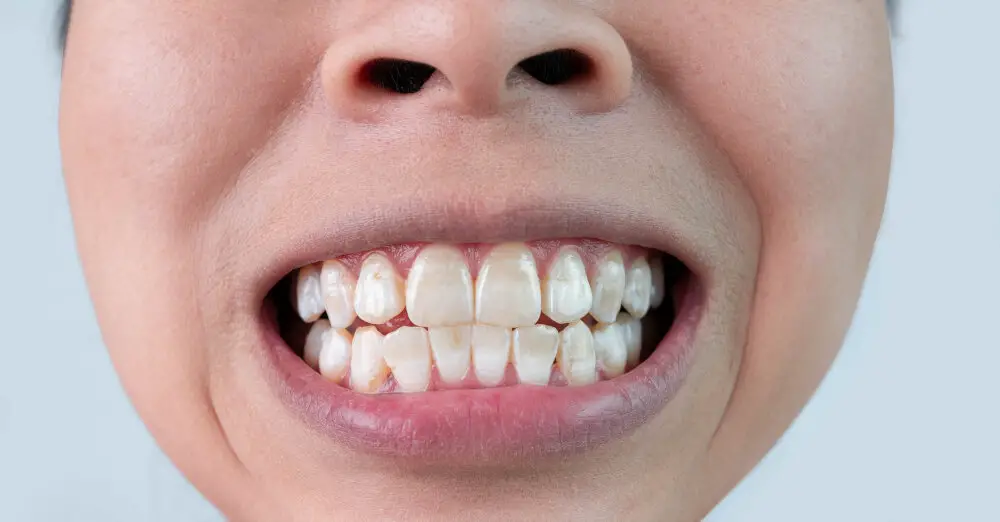
Sinus pain is a common condition that affects millions of people worldwide. The symptoms of sinus pain vary from person to person, but the most common symptoms include facial pain, pressure, and tenderness around the eyes, nose, and forehead. Other symptoms include a stuffy or runny nose, cough, fatigue, and fever. In some cases, sinus pain can also cause toothaches, headaches, and earaches. It is essential to identify the symptoms of sinus pain early to receive prompt treatment and prevent complications. One of the most important things to note is that sinus pain is not always caused by sinusitis. In fact, many people experience sinus pain due to dental problems. Inflammation in the maxillary sinus can refer pain to the upper back teeth, while infection in a tooth can be a separate dental problem and, in some cases, involve the maxillary sinus. Persistent or focal tooth pain should be assessed by a dentist. By identifying the symptoms of sinus pain and seeking prompt treatment, you can alleviate your pain and prevent further complications.
Sinus pain can be a debilitating experience that can make even the most basic daily activities feel impossible. Some common symptoms of sinus pain include pressure and pain in the cheeks, forehead, and the bridge of the nose, as well as a stuffy or runny nose, sore throat, and fever. Maxillary sinus inflammation can sometimes be perceived as tooth pain in nearby upper back teeth. The pain can be sharp, throbbing, or constant and can range from mild to severe. It is important to seek medical attention if the pain persists or is accompanied by other symptoms such as difficulty breathing or severe headache.
Sinus pain can be a tricky thing to diagnose, as it can often be mistaken for dental issues. The proximity of the sinuses to the upper teeth can lead to confusion as both conditions can cause pain in similar areas. In fact, the roots of some upper teeth are located very close to the sinus floor, which means that inflammation or infection in the sinuses can cause pressure and pain in these teeth. This can be especially confusing when the pain is only present on one side of the face. Thus, it is important to consult with a doctor or dentist to determine the root cause of the pain and receive the appropriate treatment.
Teeth Connected to the Maxillary Sinus

The maxillary sinus is a hollow, air-filled space located in the cheekbones on either side of the nose. It is the largest of the paranasal sinuses and is closely connected to several of the upper teeth. Roots of some upper premolars and molars can lie very close to the maxillary sinus floor, sometimes separated by only a thin layer of bone or mucosa. Sinus inflammation may cause referred tooth pain, while infection from a tooth can directly involve the sinus. This connection between the teeth and maxillary sinuses is one of the reasons why sinus pain can be mistaken for toothache and vice versa. If you’re experiencing pain in your upper teeth, it’s worth considering whether it could be related to your sinuses and seeking the advice of a dental or medical professional. The close connection between the maxillary sinuses and the upper teeth means that dental issues can sometimes cause sinus problems, and sinus problems can sometimes cause dental issues. For example, an infection or inflammation in the maxillary sinus can put pressure on the roots of the teeth, causing pain or sensitivity. Sinus pressure may make healthy upper teeth feel sore, but it is not a routine cause of teeth loosening or shifting. Tooth mobility needs dental assessment. On the other hand, dental problems such as an abscess or decay can sometimes spread to the maxillary sinus, causing sinus pain or infection. It’s important to be aware of this connection between the teeth and sinuses so that any issues can be properly diagnosed and treated by the appropriate healthcare professional.
The maxillary sinus is one of the four paired paranasal sinuses located in the human skull. It is the largest of the paranasal sinuses and is situated within the maxillary bone, just above the upper teeth. The maxillary sinus is lined with a thin layer of mucous membrane and is responsible for producing mucus which helps to moisturize the nasal cavity and protect against foreign particles. The maxillary sinus is close to upper premolars and molars, but its ostium is the drainage opening into the nasal cavity, not an opening connecting teeth to the sinus. Understanding the relationship between the maxillary sinus and the teeth can help individuals identify the source of their sinus pain.
The maxillary sinus is located in the maxilla bone, which is the largest facial bone, and is closely related to the roots of the upper teeth. The maxillary sinus communicates with the nasal cavity through an opening called the ostium, and when this opening becomes blocked or inflamed, it can cause sinus pain and pressure. Upper premolars and molars are most often closest to the maxillary sinus floor, though anatomy varies. A dental infection can sometimes involve the sinus; the mere proximity of roots does not mean ordinary tooth inflammation will spread. It is important to be aware of this connection between the teeth and sinuses, as it can help in the diagnosis and treatment of sinus pain and related dental issues.
The relationship between the upper teeth and sinuses is intricate, and problems with these teeth can cause sinus pain. Upper molars and premolars are most commonly closest to the maxillary sinus; the exact relationship varies among people. A sinus infection can refer pain to these teeth, while tooth-sourced sinus disease is a distinct condition that may require both dental and sinus care. Therefore, it is important to seek dental and medical attention if you experience any symptoms of sinus pain.
Ethmoid and Frontal Sinuses and Tooth Pain

The ethmoid and frontal sinuses are two of the four pairs of sinuses in the human body. They are located within the facial bones and are lined with mucous membranes that produce mucus to moisturize and protect the nasal cavity. The ethmoid and frontal sinuses are not directly related to tooth roots in the way the maxillary sinuses are. Inflammation there can cause pressure around the eyes or forehead, while dental referred pain is mainly a maxillary-sinus and upper-posterior-tooth issue. The maxillary sinus is the paranasal sinus most relevant to upper-tooth pain because of its proximity to some premolar and molar roots. Ethmoid and frontal sinus symptoms should not be explained by tooth roots extending into those spaces. It is important to note that not all sinus pain is caused by dental problems, and not all dental problems are associated with the sinuses. Therefore, a thorough examination by a healthcare professional is necessary to identify the underlying cause of the pain.
The ethmoid and frontal sinuses are two of the four major sinuses located in the human skull. The ethmoid sinuses are a group of small, air-filled cavities located between the eyes and behind the nose, while the frontal sinuses are located above the eyes in the forehead. Both of these sinuses are lined with mucous membranes that help to humidify and filter the air we breathe. In addition, they also play a role in the sense of smell. When these sinuses become inflamed or infected, it can lead to a range of symptoms, including sinus pain, pressure, congestion, and headaches. Distinguishing these locations helps prevent attributing every facial or tooth pain to a dental connection.
The sinuses are air-filled cavities located in the facial bones, and they are connected to the nasal passages. When the sinuses become inflamed or infected, sinus pain can occur. The ethmoid and frontal sinuses are not directly connected to tooth roots; tooth-related sinus pain most often involves the maxillary sinuses and nearby upper back teeth. Upper back teeth, especially the premolars and molars, are the teeth most often affected by pain referred from the maxillary sinuses. Their roots may be close to the sinus floor; sinus inflammation can be felt in nearby teeth even when they are healthy. Understanding which teeth are connected to your sinuses can help you identify the root cause of your sinus pain and seek appropriate treatment.
Upper molars and premolars are near the maxillary sinus, so sinus inflammation can be perceived as tooth pain. A tooth abscess can sometimes spread to the maxillary sinus and requires prompt dental care; this is different from ordinary sinus-referred tooth pain. Therefore, it is essential to maintain good oral hygiene and address any dental problems promptly to prevent sinus pain and discomfort.
The maxillary sinuses are close to some upper molar and premolar roots. Sinus inflammation can cause referred pain in nearby teeth, while a dental infection may be the source of sinus disease in some cases. A clinician can distinguish these causes through an examination. It is essential to seek dental and medical attention if you experience persistent sinus pain or toothaches, as the two may be related.
Experiencing sinus pain can be a frustrating and painful experience, and it is important to seek medical attention if you are experiencing persistent symptoms. While sinus pain can be caused by a variety of factors, including allergies, infections, and dental issues, it is important to see a dentist or doctor to determine the underlying cause of your pain. A skilled healthcare professional can help you identify the root cause of your pain and develop an effective treatment plan to help alleviate your symptoms. This may involve prescribing medications, recommending sinus irrigation, or performing dental procedures to address any dental issues that may be contributing to your pain. By seeking medical attention for your sinus pain, you can take the first step towards finding relief and improving your overall health and well-being.
In conclusion, sinus pain can be an incredibly uncomfortable experience that can be caused by a variety of factors. Understanding the connection between your teeth and sinuses can help you identify potential sources of pain and take proactive steps to prevent it. Good oral hygiene reduces the risk of dental infection, while appropriate allergy or sinus care may reduce rhinogenic symptoms. Hydration, humidification, or saline nasal irrigation may help some sinus symptoms, but persistent one-sided pain or dental tenderness deserves professional assessment rather than repeated self-treatment. By taking these steps, you can minimize the impact of sinus pain on your daily life and enjoy greater overall comfort and wellness.
Conclusion
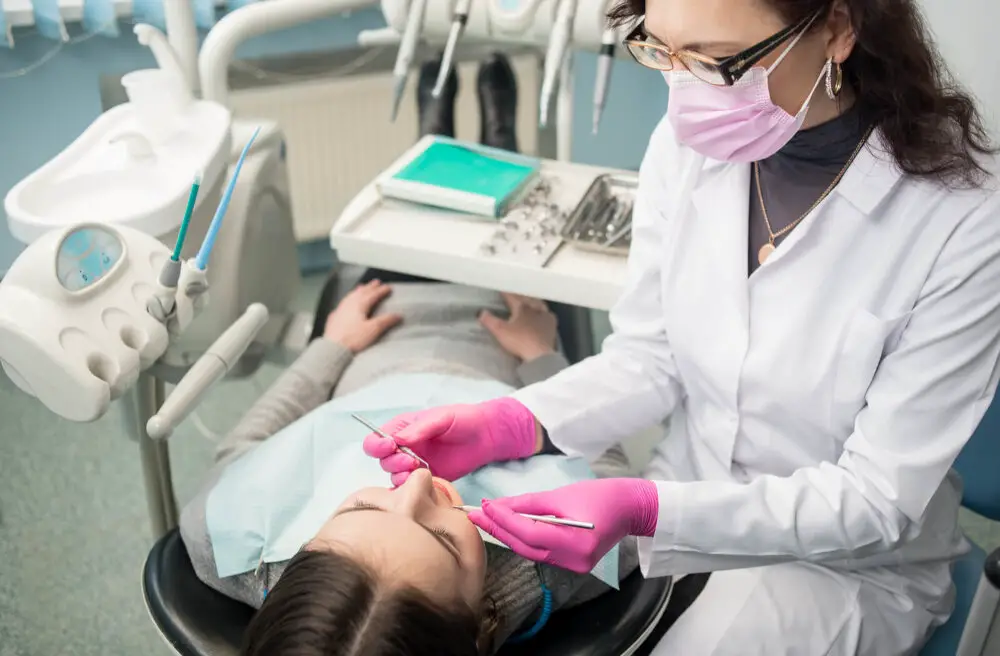
The teeth most closely related to sinus-referred pain are the upper premolars and molars next to the maxillary sinus. Maxillary sinus inflammation can refer pain to these teeth, while infection or procedures involving upper teeth can sometimes cause odontogenic maxillary sinusitis. Sinus pain has many possible causes, so consult a dentist or medical professional to identify the source and choose appropriate care.