Xerostomia is the subjective feeling of a dry mouth; hyposalivation means saliva flow is objectively reduced. The terms often overlap but describe different findings. Persistent dryness can interfere with speaking, chewing and swallowing, and reduced saliva removes some of the mouth’s natural protection against cavities and infection. Care starts by looking for likely causes, relieving symptoms and preventing damage to teeth and oral tissues.

What dry mouth means
Xerostomia describes the patient’s experience of oral dryness. Hyposalivation is a clinical finding based on salivary-flow measurement. A person may feel dry even when flow is within a usual range, and reduced flow may be present without severe reported dryness. The distinction matters because the clinician may need to address comfort, gland function, dental risk or several of these together.
Dry mouth is a symptom, not a single disease. It may be temporary, fluctuate during the day or persist over time. Some people mainly notice stickiness, burning or trouble swallowing dry foods; others develop rapidly increasing cavities, oral soreness or difficulty wearing dentures. Many people can reduce symptoms and complications, but the underlying cause is not always reversible, particularly after radiation involving major salivary glands or with autoimmune disease.
Saliva is produced by major and minor salivary glands. It lubricates the mouth for speech and swallowing, helps clear food and debris, buffers acids, supports the calcium and phosphate environment involved in remineralization, and contributes antimicrobial and mucosal protection. Saliva is protective, but it does not sterilize the mouth. When the amount or composition changes, multiple oral functions can be affected.
Common causes and contributors
Medication effects are among the most common contributors. Many medicines can reduce saliva or change the way the mouth feels, especially drugs with anticholinergic effects and some antidepressants, antihistamines, decongestants, blood-pressure medicines, diuretics, sedatives, pain medicines and other therapies. Taking several medicines can add to the burden, but not every drug in a category causes dry mouth in every person. Do not stop or change a prescribed medicine on your own; a prescriber or pharmacist can review whether timing, dose or an alternative is appropriate.
Other possible contributors include dehydration, uncontrolled diabetes, Sjögren disease and other systemic conditions, salivary-gland disease or injury, nerve damage, tobacco, alcohol, mouth breathing and some cancer therapies. Chemotherapy and immunotherapy can alter saliva, while radiation that reaches major salivary glands may cause profound and sometimes long-lasting reduction in flow. These effects are not identical; treatment history and the areas exposed matter. People receiving cancer care should coordinate dental prevention with their oncology team.

Dry mouth is more common in older adults, but healthy aging alone does not necessarily cause major salivary-gland failure. Medication use, polypharmacy and medical conditions become more common with age and help explain much of the increase. Calling dryness “just aging” can delay a medication review or evaluation of a treatable cause. See the National Institute of Dental and Craniofacial Research overview and our guide to dental care with diabetes.
How reduced saliva affects the mouth
Saliva’s lubrication makes it easier to speak, chew and swallow. It also helps wash away food particles and buffer acids produced by oral bacteria. Minerals in saliva help maintain the tooth surface, while salivary proteins and other components contribute to the oral environment’s defenses. If flow falls, a person may notice food sticking, difficulty swallowing crackers or bread, changes in taste, thick or stringy saliva, a burning sensation, cracked lips or waking at night to drink.
Reduced salivary protection can sharply increase the risk of tooth decay, especially cavities along the gumline and on exposed roots. It may also contribute to demineralization, sensitivity, mucosal soreness, oral candidiasis, altered taste, difficulty wearing dentures and lower quality of life. Xerostomia does not automatically cause periodontal disease; gum health is influenced by plaque, smoking, diabetes, access to care and other factors. A dentist can assess the pattern of decay and oral tissues rather than assuming one cause.

People who wear dentures may find that dryness makes the appliance feel less comfortable or stable. A denture that rubs or no longer fits may need adjustment or reline, and white patches or soreness can be signs of candidiasis or another condition that should be assessed. For readers managing gum concerns, our guide to gingivitis and periodontal disease explains other common causes of gum symptoms.
How clinicians evaluate dry mouth
Evaluation begins with history and examination. A dentist or clinician may ask when dryness began, whether it changes through the day, which medicines are used, how much fluid is taken, whether the person breathes through the mouth, and whether there has been head-and-neck radiation or salivary-gland swelling. Dry eyes, joint symptoms, recurrent infections, diabetes symptoms and other medical history may also matter. Examination can look for reduced saliva pooling, sticky mucosa, cracks, candidiasis, new decay and changes in the major salivary glands.
Salivary-flow measurement can document hyposalivation when it will help guide care. The ADA describes reduced unstimulated whole salivary flow as about 0.1 mL per minute or less, or chewing-stimulated flow as about 0.7 mL per minute or less, measured under standardized conditions. These are clinical measurements, not home screening targets. A complaint of dryness alone does not prove low flow, and a home collection test is not required to seek help.
Persistent dry mouth together with significant dry eyes, recurrent salivary-gland swelling or other autoimmune symptoms may warrant medical evaluation for Sjögren disease. Dryness alone cannot diagnose Sjögren. When a medical condition, medicine or cancer therapy is suspected, the dentist may coordinate with a physician, pharmacist or oncology team. The ADA Sjögren disease resource describes related oral considerations.
Relief strategies and treatment
Treatment depends on the cause and whether the goal is symptom relief, stimulating remaining gland function or preventing tooth damage. Sip water or other sugar-free, caffeine-free fluids as needed and maintain normal hydration. Water may relieve the sensation of dryness but does not restore salivary-gland function when true hyposalivation is present. A humidifier at night, lip lubricant and moist foods or fluids with meals may help comfort.
Sugar-free gum, mints or lozenges can stimulate saliva when residual salivary-gland function remains. They are symptom-management tools, not cures for gland damage. Xylitol is a non-cariogenic sweetener, but it should not be described as a unique cure for dry mouth or as a substitute for fluoride and daily oral hygiene. Avoid frequent sugar-containing candies and acidic lozenges. Repeated exposure to sour candies or lemon drops can contribute to erosion of natural teeth.
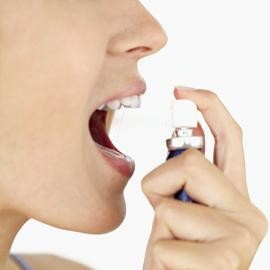
Saliva substitutes, moisturizing sprays, gels and rinses can temporarily lubricate oral tissues and improve comfort. They do not reproduce all protective functions of natural saliva, and their effect is temporary; people often choose among products based on taste, texture and duration. Alcohol-containing mouthrinses may worsen dryness for some people. If a rinse is appropriate, an alcohol-free product is often more comfortable. A therapeutic rinse should be selected for a specific purpose; mouthwash is not mandatory for everyone. Our overview of therapeutic mouthrinse options explains that rinses serve specific oral-care purposes.
Simple comfort steps can be combined according to personal preference:
- Sip water or another sugar-free, caffeine-free drink as needed and keep water nearby overnight.
- Try a humidifier at night, lip lubricant, moist foods, or a sugar-free gum or lozenge if residual gland function remains.
- Choose an oral moisturizer or alcohol-free rinse that feels comfortable; products offer temporary relief rather than restoring gland function.
Prescription medicines that stimulate saliva
Pilocarpine and cevimeline are prescription sialagogues that can increase salivary secretion in selected patients who retain functional gland tissue. They are not suitable for everyone and can cause systemic effects such as sweating, gastrointestinal symptoms, urinary frequency, cardiovascular effects or bronchoconstriction. A clinician must assess medical history, other medicines and contraindications. Do not use a dosing schedule from an online article or begin these medicines without a prescription.
Protect teeth when saliva is reduced
Because reduced saliva can accelerate cavities, dental prevention may need to be more intensive than usual home care. Brush at least twice daily with fluoride toothpaste and clean between teeth daily. Ask a dentist whether prescription-strength toothpaste or gel, professional fluoride varnish or a fluoride mouthrinse is appropriate for the individual’s caries risk. High-fluoride products should not be prescribed to every reader automatically; the dental team should match prevention to the exam and medical context.
- Tell the dentist about persistent dryness, new cavities, root exposure and medicines that may contribute.
- Use fluoride toothpaste twice a day and ask whether an additional fluoride product is appropriate.
- Drink water as needed and limit frequent sugary or acidic drinks, lozenges and candies.
- Ask whether a sugar-free gum, lozenge, moisturizer or alcohol-free rinse may improve comfort.
- Keep regular dental follow-up at an interval based on current decay risk and response to prevention.
When dry mouth follows radiation involving salivary glands, the risk of rapid caries may remain high even after cancer treatment ends. The patient and oncology team should make a prevention plan with a dentist familiar with cancer-related oral effects. People with diabetes may also need coordinated care for dry mouth and periodontal disease; see our diabetes and oral health guide. Basic daily care is covered in our overview of oral hygiene.
When to seek an evaluation
Ask a dentist or physician about dry mouth that persists for weeks, rapidly increasing cavities, recurrent oral thrush, difficulty swallowing, unexplained weight loss, significant dry eyes, recurrent salivary-gland swelling, oral ulcers or difficulty taking a necessary medicine. Seek prompt evaluation for a new lump, severe pain, spreading swelling, fever, inability to drink or signs of dehydration. A clinician can identify which symptoms need urgent care and whether testing is appropriate.
Dry mouth can affect nutrition, sleep, speech, denture comfort and willingness to eat with others. If symptoms interfere with daily life, mention those practical effects, not just the sensation of dryness. A plan may combine medication review, hydration, saliva substitutes, gland stimulation when appropriate and stronger caries prevention. The ADA’s xerostomia guidance summarizes diagnosis and management options, while its mouthrinse guidance notes that alcohol-free options may be more comfortable when dryness is a concern.
Common questions
Takeaway
Dry mouth is a symptom with many possible causes, not a disease of aging by itself. The goals are to identify reversible contributors, relieve discomfort and prevent complications from reduced salivary protection. A medication review, normal hydration, sugar-free stimulation when gland function remains, saliva substitutes and clinician-directed sialagogues may help selected patients. Fluoride and tailored dental follow-up are especially important for preserving teeth when saliva is reduced.