Manual and electric toothbrushes compared by cleaning, comfort, technique and long-term ownership.
A toothbrush is a simple tool with one difficult job: remove plaque consistently without encouraging damaging technique. Brush head size, bristle feel, handle control and—on powered brushes—feedback features can all affect how easily that job gets done.
This category separates meaningful features from specification-sheet noise. A premium brush is not automatically better for every person, and a basic manual brush can work very well when technique and consistency are strong.
Technique first, features second
Choose a brush that reaches comfortably, feels gentle at the gumline and supports thorough brushing. Powered brushes may make technique easier for some users, while a well-designed manual brush remains inexpensive and effective when used carefully.
We assess head size and shape, bristle feel, control, pressure management, timers where relevant, replacement-head cost and availability, battery life for powered models, durability and evidence for cleaning performance.
It is safe to say that when it comes to oral health, everybody is aware of the general guideline of brushing for two minutes twice a day. Whether you learned it from your mama or from a painful trip down to your dentist’s office—you know the importance of…
If you want your children to embrace toothbrushing as soon as possible, you need to make the activity as fun as possible. However, you also want tools specifically designed for kids. It is recommended for them to use a children’s toothpaste, but also a toothbrush.
The electric toothbrush is a perfect solution for people who wish to take their oral health to a completely new level. Philips Sonicare Essence rechargeable electric toothbrush will help you remove all the plaque that stays between your teeth even when you are trying your best to remove…
Oral-B has great number of replacement toothbrush heads available and may be the manufacturer with the biggest selection of replacement toothbrush heads available.
Philips Sonicare DiamondClean Sonic is one of the best electric toothbrushes available. The competition at the top is always fierce and the edge is often attained with unique and useful features. Philips Sonicare DiamondClean Sonic combines sleek design with the excellent cleaning performance and week-long battery life. philips…
Both electric toothbrush and manual toothbrush one have their advantages and disadvantages. Which one you will use, depends mainly on your personal preferences, but there are some factors you should also consider. Make sure you get all the necessary information before making a decision.
Elmo: Brush brushy brush, brushy brush brush Singers: Brush brushy brush, brushy brush brush Elmo: Brushy brush them up and down Brushy brush them round and round
A few years ago, you didn’t have an opportunity to choose a toothbrush which is optimized for brushing braces. Now, you have that ability. These toothbrushes are specifically made not to damage the braces, but to still provide the ultimate brushing of the just mentioned brace and teeth…
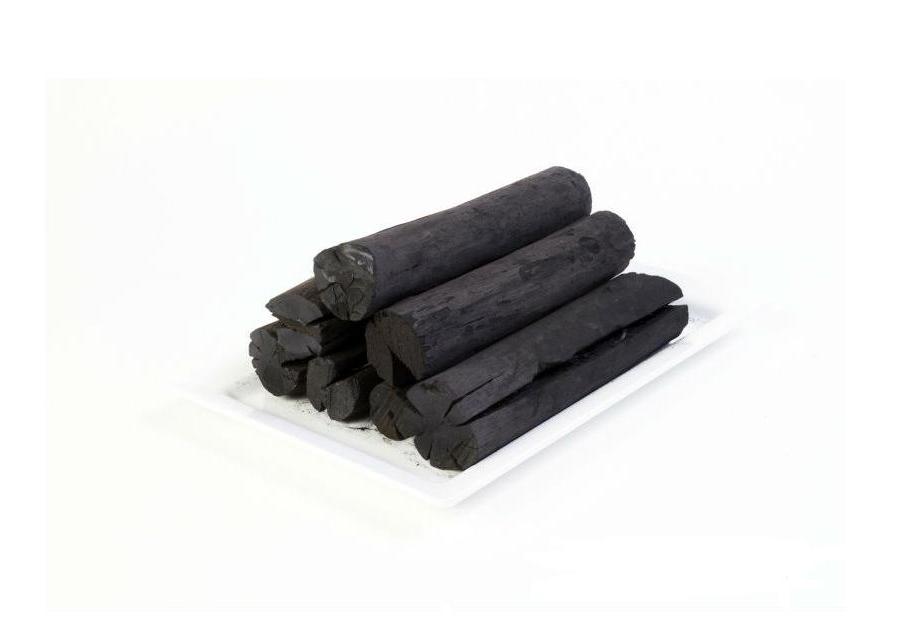
A charcoal toothbrush is probably your best manual toothbrush option today. It will kill bacteria and germs naturally, remove as much plaque as possible and eliminate a bad odor. Additionally, they remove stains and make your teeth whiter. Charcoal has been used for reducing and removing toxins from…
Frequently asked questions
Manual or electric?
Both can work. Electric brushes may make consistent motion and timing easier for some people, while manual brushes remain simple, inexpensive and widely available.
Are hard bristles better at cleaning?
More aggressive is not automatically better. Gentle cleaning at the gumline is the goal; excessive force can be counterproductive.
How much should replacement heads matter?
A lot. The ongoing price and availability of heads can dominate the long-term cost of an electric brush.
Longevity Research Review keeps a focused dental library because oral comfort, function and disease prevention matter across the lifespan. Product guides are evaluated for practical usefulness and evidence quality; broader oral-systemic claims are treated cautiously.