Simple toothbrushes evaluated by bristle feel, head access, control and value—not gimmicks.
Manual toothbrushes remain the simplest and cheapest way to brush effectively. The design questions are practical: can the head reach comfortably, do the bristles feel gentle, does the handle provide control, and is the brush inexpensive enough to replace regularly?
Many dramatic-looking bristle patterns and specialty claims are less important than comfortable access and sound technique. A modest brush that encourages gentle, complete brushing can be a better choice than a complicated design that feels awkward.
Prioritize comfort and access
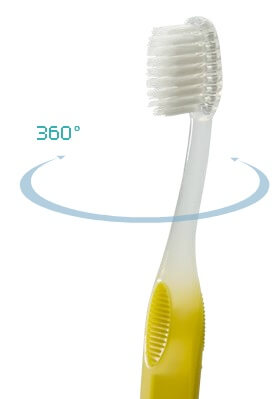
A compact head can help reach back teeth, while a handle that feels stable can improve control. Softer bristles are generally easier to use gently around the gumline than very stiff designs.
We look at head dimensions, bristle texture, handle control, packaging clarity, price, availability, specialty features and whether those features solve a real use problem.
A few years ago, you didn’t have an opportunity to choose a toothbrush which is optimized for brushing braces. Now, you have that ability. These toothbrushes are specifically made not to damage the braces, but to still provide the ultimate brushing of the just mentioned brace and teeth…
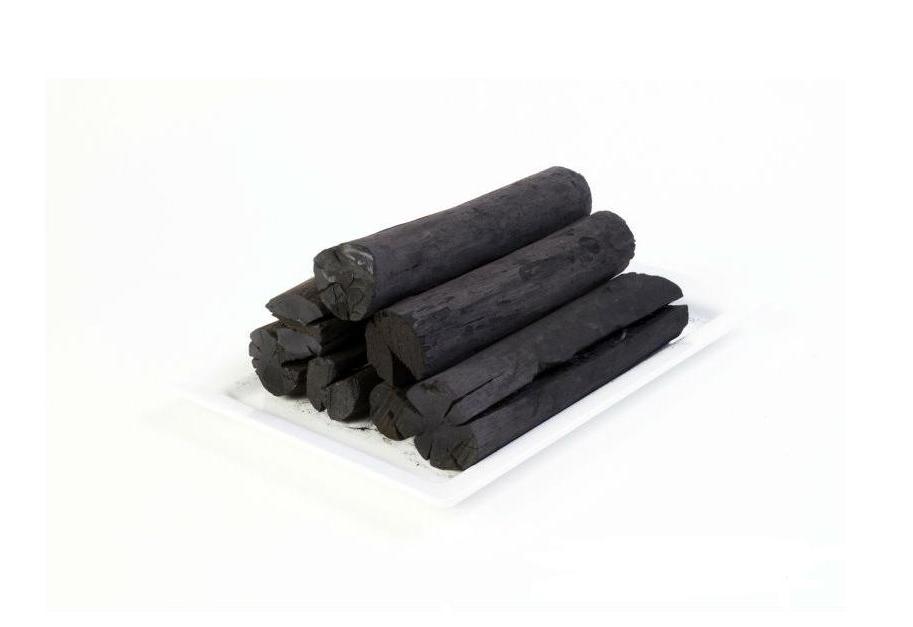
A charcoal toothbrush is probably your best manual toothbrush option today. It will kill bacteria and germs naturally, remove as much plaque as possible and eliminate a bad odor. Additionally, they remove stains and make your teeth whiter. Charcoal has been used for reducing and removing toxins from…
Bamboo is the fastest growing plant on the planet. It belongs to the group of grass and can grow up to 90 cm in one day. It is said that it is the only plant which can be seen growing with a naked eye. This plant also has…
Why use Nimbus toothbrush with ultra soft bristles? How to use Nimbus toothbrush effectively to combat bleeding gums and plaque? Read this blog post to find out!
Frequently asked questions
Does a fancy bristle pattern matter?
It can change feel and access, but it should not distract from gentle technique and complete coverage.
How often should a manual brush be replaced?
Replace it when bristles become worn or splayed, and sooner if the brush becomes damaged or difficult to keep clean.
Is a small head better?
Not universally, but many people find a smaller head easier to maneuver around back teeth and crowded areas.
Longevity Research Review keeps a focused dental library because oral comfort, function and disease prevention matter across the lifespan. Product guides are evaluated for practical usefulness and evidence quality; broader oral-systemic claims are treated cautiously.