Manual and electric toothbrushes compared by cleaning, comfort, technique and long-term ownership.
A toothbrush is a simple tool with one difficult job: remove plaque consistently without encouraging damaging technique. Brush head size, bristle feel, handle control and—on powered brushes—feedback features can all affect how easily that job gets done.
This category separates meaningful features from specification-sheet noise. A premium brush is not automatically better for every person, and a basic manual brush can work very well when technique and consistency are strong.
Technique first, features second
Choose a brush that reaches comfortably, feels gentle at the gumline and supports thorough brushing. Powered brushes may make technique easier for some users, while a well-designed manual brush remains inexpensive and effective when used carefully.
We assess head size and shape, bristle feel, control, pressure management, timers where relevant, replacement-head cost and availability, battery life for powered models, durability and evidence for cleaning performance.
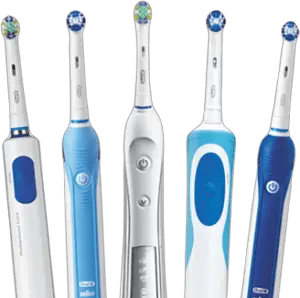
Have you been wanting to switch to an electric toothbrush but you have not been able to find best cheap electric toothbrush which would suit your needs? Cheap electric toothbrushes used to be extremely simple and straightforward. However, today they are sophisticated and advanced, so you will still…
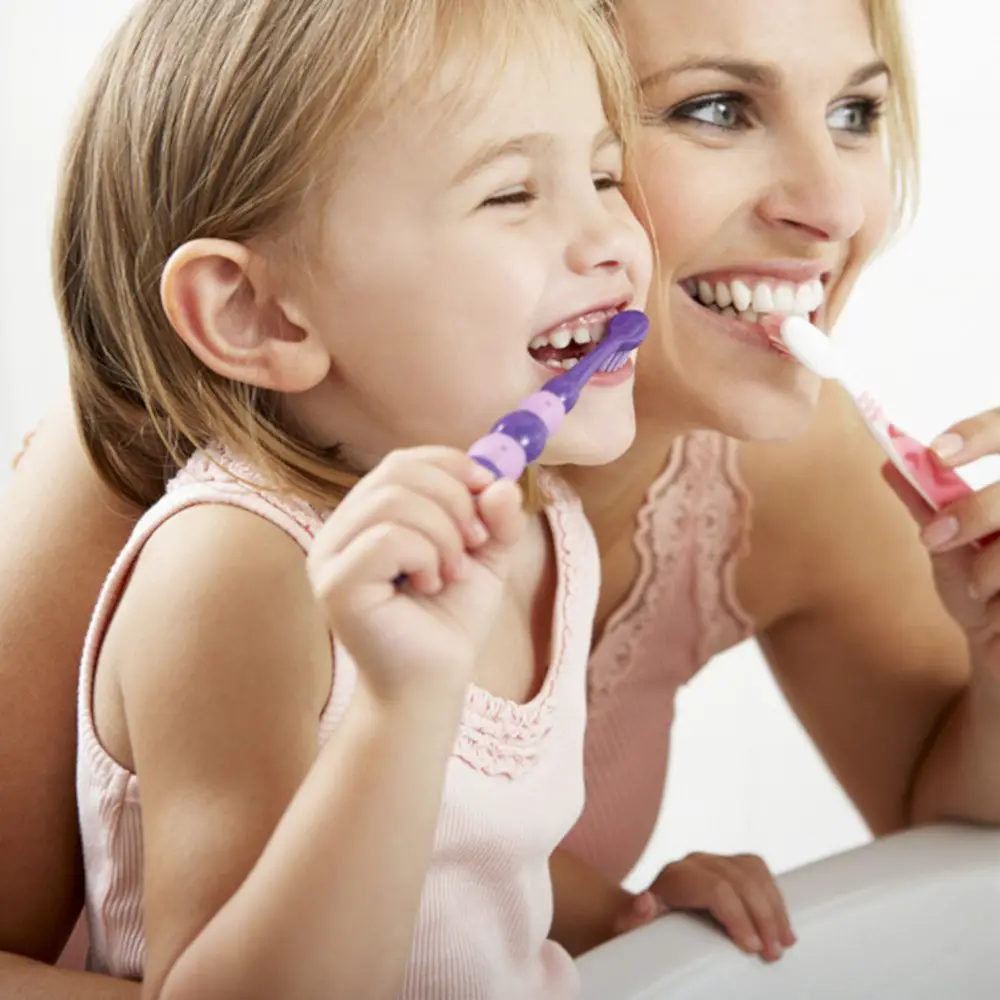
Electric toothbrushes for kids are truly beneficial in many ways. First and foremost, they make brushing teeth more appealing, meaning that a child will spend more time and really want to brush the teeth. Then we have a variety of features which are used to improve teeth brushing…
Bamboo is the fastest growing plant on the planet. It belongs to the group of grass and can grow up to 90 cm in one day. It is said that it is the only plant which can be seen growing with a naked eye. This plant also has…
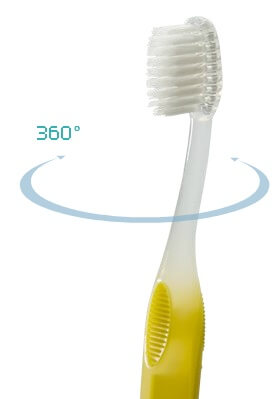
Why use Nimbus toothbrush with ultra soft bristles? How to use Nimbus toothbrush effectively to combat bleeding gums and plaque? Read this blog post to find out!
Frequently asked questions
Manual or electric?
Both can work. Electric brushes may make consistent motion and timing easier for some people, while manual brushes remain simple, inexpensive and widely available.
Are hard bristles better at cleaning?
More aggressive is not automatically better. Gentle cleaning at the gumline is the goal; excessive force can be counterproductive.
How much should replacement heads matter?
A lot. The ongoing price and availability of heads can dominate the long-term cost of an electric brush.
Longevity Research Review keeps a focused dental library because oral comfort, function and disease prevention matter across the lifespan. Product guides are evaluated for practical usefulness and evidence quality; broader oral-systemic claims are treated cautiously.