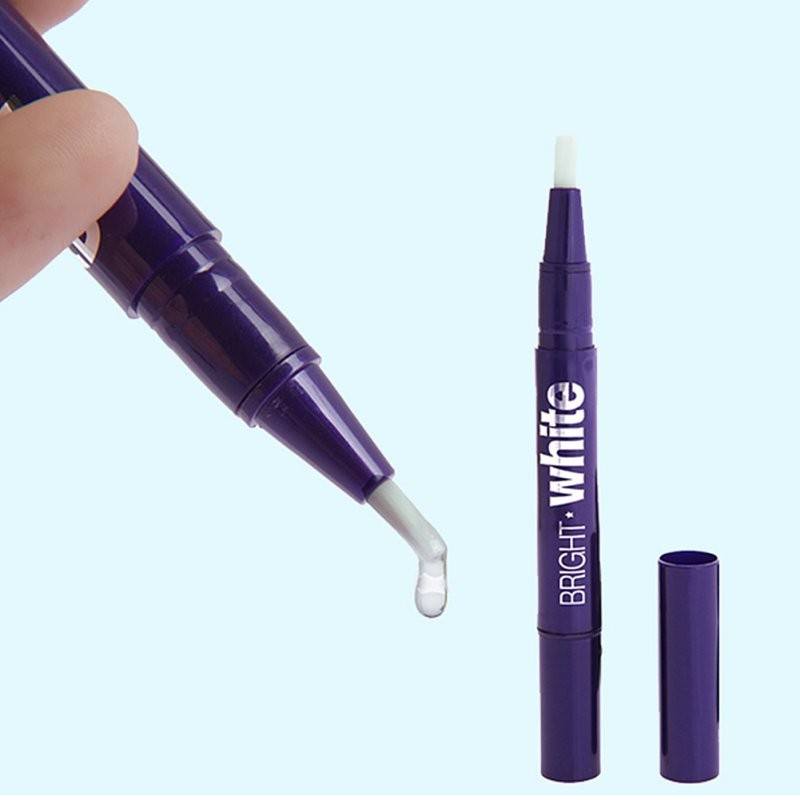
Fast verdict: a whitening pen is worth considering if you want a portable brush-on product and are comfortable following that exact product’s directions. The current Colgate Optic White Overnight and Crest 3DWhite pens are two clearly documented options. Only natural teeth whiten; pens are not a substitute for dental treatment, and they will not change the color of crowns, veneers, fillings, or other tooth-colored restorations.
Whitening-pen comparison
How we chose: we checked each manufacturer’s current U.S. product information and directions, confirmed the named product and ASIN on the direct retailer listings, and compared the choices against independent dental guidance. We did not conduct hands-on, laboratory, or long-term testing. We do not rank these products by retailer ratings, and the two formats should not be treated as interchangeable schedules.
How to use a whitening pen correctly
- Read the directions and warnings for the exact pen you own. Application time and frequency differ by product.
- Prepare your teeth only as the product label instructs. Some formulas call for clean, dry teeth; do not assume all pens use the same method.
- Dispense and brush on only the directed amount in a thin layer. Keep gel off the gums and other soft tissue, and do not add extra gel to speed up whitening.
- Respect the product’s contact time and wait before eating, drinking, rinsing, or closing your mouth when the label says to do so.
- Use it only as often and for as long as the exact label directs. Do not combine pens with strips, trays, or another peroxide product unless a dentist advises you.
For example, Colgate’s overnight pen is intended to remain in place for several hours, while Crest’s directions use two short applications per day. Those routines are product-specific; neither is a universal whitening schedule.
What results can you expect?
Peroxide can lighten natural-tooth stains, but the amount and timing of change vary with the cause and depth of discoloration and with the product’s ingredients and use. A pen is portable and lets you paint gel onto selected tooth surfaces. That format can be convenient for touch-ups, but it does not guarantee an even or dramatic result. A pen cannot diagnose why a tooth changed color.
Fillings, crowns, veneers, implants, and other tooth-colored restorations do not whiten like natural teeth. Whitening can make a difference in color between natural teeth and existing dental work more noticeable. If you have visible restorations, ask a dentist about the likely result before starting.
Sensitivity and gum irritation
The American Dental Association identifies temporary tooth sensitivity and gum irritation as common side effects of bleaching. Peroxide concentration and contact time can affect sensitivity. Do not apply more gel, leave it on longer, or repeat applications more often to compensate for a slow result. Stop use and ask a dentist if you develop more than mild or persistent sensitivity, gum soreness, a burn, or another concerning reaction.
Pens vs. strips vs. trays
Pens use a brush to place gel on selected surfaces. Strips cover a broader area and have their own product-specific contact times. Trays hold gel against the teeth and may be dentist-supplied with instructions based on an examination. Choose a format you can use exactly as labeled; talk with a dentist if you are unsure which approach fits your teeth or existing dental work.
Frequently asked questions
Can I use a whitening pen every day?
Only if the exact product directions call for daily use, and only for the labeled course. Do not transfer one brand’s schedule to another pen.
Can whitening pens whiten crowns or veneers?
No. Bleaching changes natural-tooth color; restorations such as crowns, veneers, and fillings do not whiten in the same way.
What should I do if my teeth become sensitive?
Stop or pause use according to the product label. Do not apply extra gel or increase the frequency. Contact a dentist if sensitivity is more than mild, persists, or is accompanied by pain or gum irritation.
Are whitening pens better than strips?
They use different application formats and directions. A pen is portable and targeted; strips cover a broader surface. Compare the product instructions and ask a dentist if sensitivity or existing dental work affects your choice.
Why are my teeth not getting whiter?
The discoloration may not respond to the product, or the cause may need diagnosis. Do not extend a course or switch to a stronger product without professional advice.
Related whitening guides
- How often to whiten teeth and signs you are overdoing it
- How often to use whitening strips
- Whitening sensitivity and pain
- Why teeth may not whiten
- Professional whitening results and maintenance