Why Braces Hurt Front Teeth: Understanding the Causes and Solutions

Front teeth can feel tender after braces are first placed or adjusted because orthodontic forces compress and stretch the periodontal ligament around the teeth. This soreness is usually a dull pressure, often strongest during the first 24–48 hours and improving over several days. Front teeth may feel especially noticeable when they are actively aligned or loaded during biting; normal orthodontic movement is not the same as damaging bone. Sharp, severe or persistent pain needs a different assessment.
Braces refer to the orthodontic devices that are used to correct dental anomalies such as crooked or misaligned teeth. They consist of brackets, archwires, and rubber bands that work together to apply pressure on the teeth and shift them into the correct position. Braces can be made of different materials such as metal, ceramic, or plastic. While they are highly effective in achieving a straighter smile, they can also cause discomfort and pain, especially in the front teeth. Understanding the causes of this pain and discomfort is crucial in finding solutions that can help to alleviate it.
The purpose of braces is to correct misaligned teeth and jaws. This is done by applying constant and gentle pressure to move teeth into their desired positions over time. Braces can be used to fix a variety of dental issues such as crooked or crowded teeth, overbites, underbites, and gaps between teeth. While braces can be uncomfortable at times, the end result is a beautiful, healthy smile that can boost confidence and overall oral health. It’s important to note that braces are not just for cosmetic purposes, but also for functional reasons such as improving speech, chewing, and overall dental health.
Braces are orthodontic devices that help straighten misaligned or crowded teeth and improve a patient’s bite. They consist of brackets, wires, bands, and sometimes rubber bands. The brackets are attached to the teeth with dental cement, and the wires are threaded through them. Over time, the wires are tightened, applying gentle pressure to the teeth, which gradually move into their correct positions. This process can cause discomfort or pain, especially in the first few days after braces are put on or adjusted. However, it is important to remember that this discomfort is temporary and a sign that the braces are working as intended.
Why Braces Hurt

Braces can cause discomfort, and this is a common experience for people who wear them. The pain can be felt in different parts of the mouth, but it is mostly concentrated around the front teeth. Front teeth may feel more noticeable when they are actively being aligned or loaded during biting, but normal orthodontic force does not mean they are being damaged. Braces work by applying pressure to the teeth, and this pressure can cause discomfort, particularly during the initial stages of treatment. It is usually a dull ache or pressure, often strongest in the first 24–48 hours and improving over several days. Mild temporary pressure can accompany tooth movement, but more pain does not mean faster or better treatment. Soreness can recur after adjustments, with timing and intensity varying from person to person. However, there are some things that you can do to alleviate the discomfort. You can take over-the-counter pain relief medication, such as ibuprofen or acetaminophen, to help manage the pain. You can also use orthodontic wax to protect the inside of your mouth from the brackets and wires. It is essential to maintain good oral hygiene during orthodontic treatment to prevent any further discomfort. By understanding the causes and solutions for braces pain, you can take steps to manage the discomfort and ensure that your orthodontic treatment is as comfortable as possible.
Pain is a complex and subjective experience that can vary based on individual perception and understanding. When it comes to braces, the pain experienced in the front teeth can be attributed to a few different factors. One of the main causes is the pressure placed on the teeth by the braces themselves, which can cause discomfort and soreness as the teeth shift and adjust. Additionally, the brackets and wires can irritate the gums and soft tissues in the mouth, leading to further pain and discomfort. It’s important to understand the causes of brace-related pain so that you can take steps to alleviate it and ensure a more comfortable orthodontic experience.
The causes of pain from braces on front teeth vary widely. Firstly, when braces are first placed on teeth, they apply pressure on the teeth and gums, which can cause pain and discomfort. Secondly, braces can rub against the inside of the lips and cheeks, leading to sores and irritation. Thirdly, the process of adjusting the braces, tightening wires and changing bands can also contribute to discomfort. Additionally, certain foods may exacerbate the pain by sticking to the braces or putting pressure on the teeth. Lastly, individuals with braces may experience pain due to changes in the alignment of their teeth or the shifting of their bite. It is important to discuss any persistent or severe pain with your orthodontist to ensure proper treatment and management.
The role of pressure in causing pain is essential to understand when it comes to the discomfort experienced by individuals wearing braces. Braces exert a constant pressure on the teeth, which helps in aligning them to their desired position over time. However, this pressure can also cause pain and soreness, especially during the initial stages of the treatment. The pain is typically due to the teeth adjusting to the new position and the pressure on the surrounding ligaments and bones. It is crucial to manage the pain effectively to avoid discomfort and ensure successful treatment outcomes. Patients can take over-the-counter pain relievers, use orthodontic wax to reduce friction, and maintain good oral hygiene to alleviate the discomfort associated with braces.
Understanding the Causes

Understanding the causes of why braces hurt front teeth is crucial to finding solutions and easing the discomfort. One of the most common causes of braces pain is the pressure that is being exerted on the teeth. Braces work by applying pressure on the teeth, which moves them into the desired position. However, this pressure can cause discomfort and pain, especially during the first few days or weeks after getting braces. The pain usually subsides as the teeth adjust to the pressure, but it can be intense and uncomfortable in the beginning. Another cause of braces pain is the friction between the braces and the soft tissues in the mouth. The brackets and wires can rub against the cheeks, lips, and tongue, causing sores and irritation. This can be particularly painful when eating or talking. Wax can be applied to the brackets to reduce the friction, and orthodontic wax can be used to protect the soft tissues from soreness and irritation. Understanding the causes of braces pain can help you find solutions that can ease the discomfort and make the experience of wearing braces more comfortable.
Braces are orthodontic devices used to correct misaligned teeth or jaws. They work by applying constant pressure on the teeth to move them into the desired position over time. The braces consist of brackets attached to the teeth, which are connected by wires that apply the pressure needed to move the teeth. Orthodontic force triggers controlled periodontal-ligament and bone remodeling: bone is resorbed on the pressure side and formed on the tension side as the tooth moves gradually. This process can cause discomfort or pain, especially in the front teeth, as they are the most visible and sensitive. However, the pain is temporary and can be managed by using painkillers or applying orthodontic wax to the brackets to reduce friction. Proper oral hygiene is essential during orthodontic treatment to prevent plaque buildup and tooth decay.
The movement of teeth is a complex process that involves the gradual shifting of teeth in response to different stimuli. When pressure is applied to the teeth through orthodontic appliances, such as braces, it triggers a biological response in the surrounding tissues, causing them to remodel and adapt to the new position of the teeth. This movement can cause discomfort and pain in some patients, particularly in the front teeth, as they are more sensitive to pressure and movement. However, understanding the causes and solutions for this discomfort can help patients feel more comfortable and confident during their orthodontic treatment.
Brackets and wires play a crucial role in orthodontic treatment, as they are the primary components that help to straighten teeth. The brackets are small metal or ceramic pieces that are attached to the front surface of each tooth using dental adhesive. The wires are then threaded through the brackets and held in place using small elastic bands. As the orthodontist adjusts the tension on the wires, the teeth gradually shift into their correct positions. While braces can be uncomfortable at first and cause soreness in the front teeth, this discomfort typically subsides after a few days as the teeth begin to adjust to the new pressure. Proper care and maintenance of braces can help to minimize discomfort and ensure that treatment progresses smoothly.
Ligaments and bones play a crucial role in the structure and function of our teeth. Ligaments connect the teeth to the jaw bone and provide stability, while bones support the teeth and create a framework for the jaw. When braces are applied, the ligaments and bones are put under stress as the teeth are gradually shifted into proper alignment. This can cause discomfort or pain, especially in the front teeth, as the ligaments and bones adjust to the new position of the teeth. However, this discomfort is temporary and a necessary part of the orthodontic process to achieve a healthy, functional, and aesthetically pleasing smile.
Solutions to Braces Pain

Braces are a common orthodontic treatment that can help straighten teeth and improve overall oral health, but they can also cause pain and discomfort. Fortunately, there are several solutions to braces pain that can help alleviate discomfort and make the treatment process more bearable. Short-term comfort measures include soft foods, orthodontic wax for rubbing brackets and a cold compress. Over-the-counter pain medicine may help when it is appropriate for the person and used according to its label. Another solution to braces pain is to adjust your diet. Certain foods, such as hard or crunchy snacks, can aggravate braces pain and make it more difficult to chew. Soft foods, on the other hand, are easier to chew and can help alleviate discomfort. It’s also important to avoid sticky or sugary foods, as these can get stuck in the braces and cause further irritation. Additionally, practicing good oral hygiene by brushing and flossing regularly can help prevent the buildup of plaque and bacteria that can cause pain and inflammation around the braces. By following these solutions, you can help manage braces pain and achieve a healthier, more beautiful smile.
Over-the-counter pain relievers may help some patients with short-term orthodontic soreness. Choose a medicine only if it is safe with your health conditions, other medicines and age; follow the package directions or ask a clinician or pharmacist. Do not use a fixed dose from an article, and do not combine products with the same active ingredient.
Cold compresses and ice packs are an effective way to alleviate pain and discomfort associated with braces. Applying a cold compress or ice pack to the affected area can help reduce inflammation and numb the pain receptors. The cold temperature also helps to constrict blood vessels, which can reduce swelling. It’s essential to use a cloth or towel to wrap the cold compress or ice pack to prevent direct contact with the skin, which could cause skin damage. A cold compress may provide comfort; use it for short intervals with a cloth barrier and stop if uncomfortable. However, it’s crucial to avoid using heat therapy, as it can exacerbate inflammation and cause further discomfort.
Orthodontists often recommend several solutions for patients who experience pain or discomfort in their front teeth due to braces. One common solution is to adjust the placement of the brackets and wires to relieve pressure on the affected teeth. Another solution is to use orthodontic wax to cushion the brackets and wires and reduce friction. In some cases, orthodontists may recommend over-the-counter pain relievers or prescribe stronger medications to manage pain. Patients can also try using warm saltwater rinses or applying ice packs to soothe sore teeth and gums. Overall, it’s important for patients to communicate any discomfort to their orthodontist, who can provide personalized solutions to address their specific needs.
If you are experiencing pain due to braces, there are several tips that can help you manage it. Firstly, regularly taking over-the-counter pain medication such as ibuprofen can help alleviate discomfort. Secondly, applying a warm compress or using an ice pack can also provide relief. Maintaining good oral hygiene and avoiding hard or sticky foods that can cause further irritation is also important. Additionally, scheduling regular appointments with your orthodontist to adjust braces or fix any issues can prevent pain from becoming severe. Lastly, practicing relaxation techniques such as deep breathing or meditation can help reduce stress and tension that can exacerbate pain. By following these tips, you can effectively manage pain caused by braces and successfully complete your orthodontic treatment.
What to Do If the Pain Persists
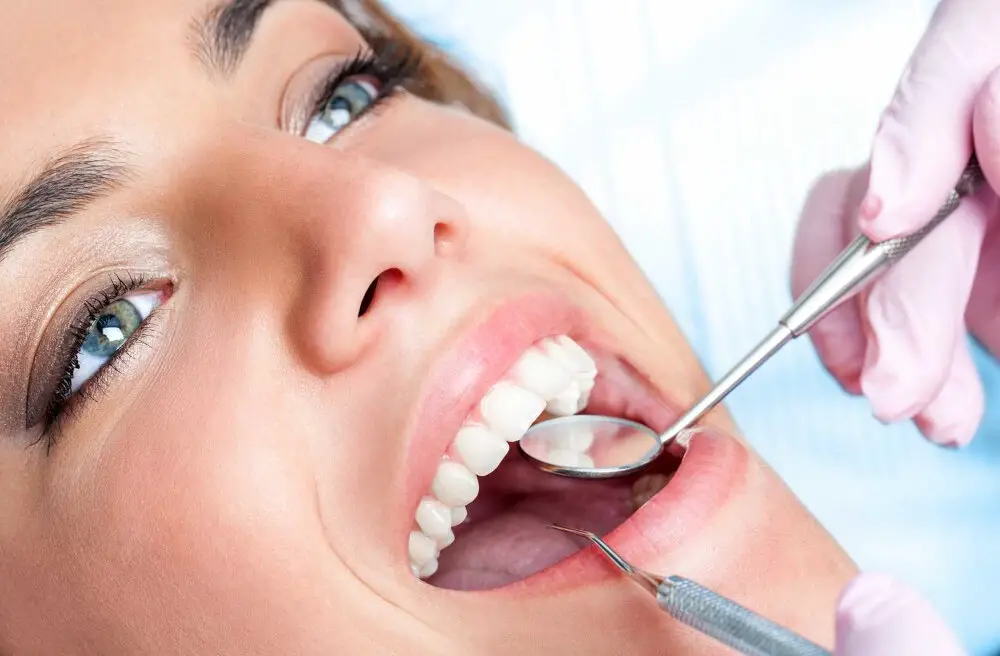
Contact your orthodontist for severe or worsening pain, sharp pain in one tooth, swelling, trauma, a darkening tooth, a loose or broken bracket or wire, or soreness that is not improving after several days. Wax can cover a poking wire temporarily while you arrange repair. Persistent one-tooth pain or sensitivity can also have causes unrelated to braces, such as decay, a crack or pulp inflammation, and needs dental assessment. Seek urgent care for facial swelling with difficulty breathing or swallowing.
Possible complications are a concern for those who undergo orthodontic treatment, particularly with braces. Although braces are effective in correcting misaligned teeth, they can cause discomfort and pain, especially in the front teeth. The force and pressure exerted by the braces on the teeth may cause soreness, tenderness, and even bleeding in some instances. In severe cases, the brackets or wires may become loose or break, leading to further discomfort and requiring additional visits to the orthodontist. Furthermore, braces can increase the risk of tooth decay and gum disease if proper oral hygiene is not maintained. Therefore, it is crucial to understand the causes and solutions for braces hurting front teeth to prevent complications and ensure successful treatment outcomes.
There are several signs that may indicate potential problems with braces, especially when it comes to causing pain on front teeth. If you notice that your front teeth are becoming increasingly sensitive or sore, this may be due to the pressure exerted by the braces. Additionally, if you experience difficulty biting or chewing, this may be a sign that the braces are not fitting correctly or that they are causing too much strain on your teeth. Another potential problem to watch out for is if you notice any signs of gum inflammation or bleeding, which can indicate that the braces are irritating your gums. Finally, if you notice any visible damage to your braces, such as loose or broken wires or brackets, this can also be a sign of potential problems and should be addressed promptly to avoid further damage or discomfort.
If you’re experiencing pain or discomfort in your front teeth while wearing braces, it’s important to contact your orthodontist as soon as possible. This discomfort can be caused by a variety of issues, including misaligned teeth, a poorly fitting appliance, or even a damaged wire or bracket. Ignoring the pain or discomfort can lead to further complications, such as tooth decay, gum disease, or even tooth loss. Your orthodontist can evaluate your situation and determine the best course of action, which may include adjusting your braces, replacing damaged components, or providing pain relief solutions. Don’t suffer in silence – contact your orthodontist if you’re experiencing any discomfort or pain while wearing braces.
Misaligned teeth are a common dental issue, and orthodontic braces are a popular solution. However, patients often experience discomfort or pain in their front teeth during the orthodontic treatment. The cause of this pain is due to the tension applied to the teeth by the braces, which can lead to inflammation and soreness. To alleviate this pain, patients can use over-the-counter pain medication or apply a warm compress to the affected area. Additionally, orthodontists may adjust the braces to reduce the tension on the teeth. It is crucial to maintain proper dental hygiene during the treatment to prevent further discomfort or pain. By understanding the causes and solutions for braces-induced pain, patients can make informed decisions to ensure a successful orthodontic treatment.
It is crucial to have open communication with your orthodontist throughout your braces treatment. They will be able to provide you with the necessary guidance and support to ensure that the process is as comfortable as possible. If you are experiencing pain or discomfort in your front teeth, it is essential to talk to your orthodontist immediately, as it could be an indication of an underlying issue. Ignoring the pain or discomfort may lead to more significant problems down the line, so it is always better to address the issue early on. Your orthodontist will be able to provide you with the necessary solutions and adjustments to ensure that your teeth are healthy and comfortable throughout the treatment process.
Persevering through the pain of braces is not an easy task, but the end result of a beautiful smile is worth it. It’s important to remember that the discomfort is temporary and will eventually subside. In the meantime, there are ways to alleviate the pain such as using orthodontic wax or taking over-the-counter pain relievers. Keeping a positive mindset and focusing on the end goal can also help make the process more bearable. Remember, the pain is a small sacrifice for the confidence and happiness that a straight and healthy smile can bring. So, stay strong and keep pushing forward, the end result will be well worth it.
Conclusion

Front-tooth soreness after braces are placed or adjusted is usually temporary and reflects controlled orthodontic force. Soft foods, wax over a rubbing bracket and short-term relief used safely may help. Sharp, severe, one-tooth or persistent pain, swelling, trauma or a broken appliance should be checked by the orthodontist.