Knowing that brushing matters does not make it effortless. It can feel boring, unpleasant, easy to postpone, or hard to start when you are tired or busy. Pain, gagging, anxiety, sensory discomfort, depression, executive-function difficulties, past experiences, cost, or limited access to supplies can add real friction. The useful question is not “Why am I unmotivated?” but “What part of this routine is difficult, and what would make it easier?”
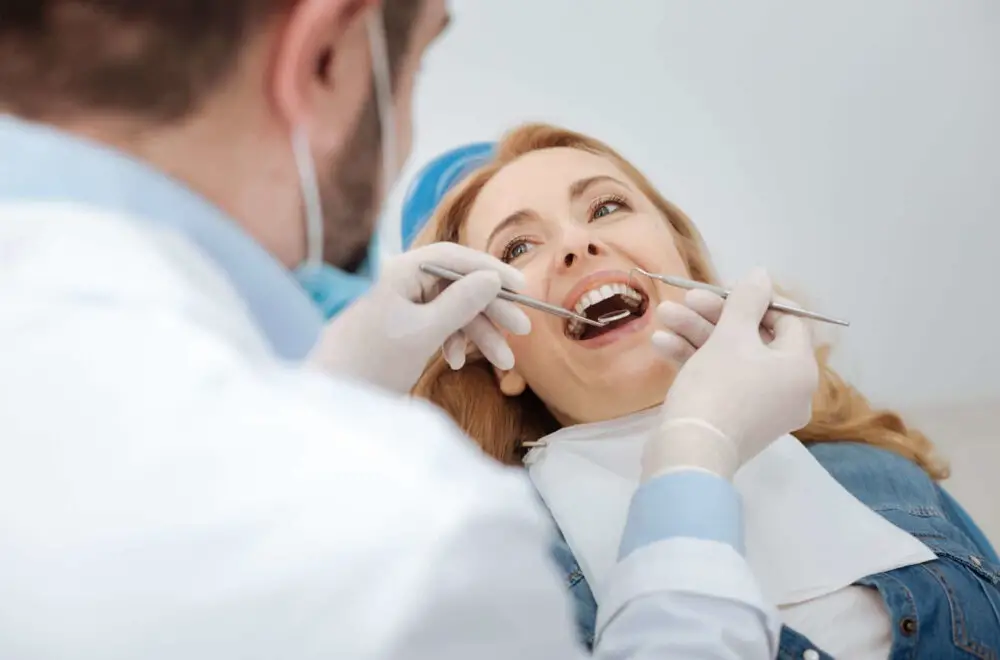
Why brushing can feel like a chore
Brushing is repetitive, happens when many people are tired or trying to leave the house, and rarely provides an immediate reward. A routine may also contain more steps than it appears to: remembering, finding supplies, tolerating the taste and texture, standing at the sink, and brushing all surfaces. If one step reliably feels unpleasant or inconvenient, the whole task can become easier to avoid.
“Dental hygiene aversion” can describe that reluctance, but it is not a formal diagnosis. The reasons differ between people and can change over time. Boredom may call for a timer or music; a strong gag reflex calls for a different response. Neither is evidence of a character flaw.
Starting and remembering are separate problems
Someone may know how to brush and want to care for their teeth yet still struggle to begin. Fatigue, a crowded schedule, disrupted sleep, stress, depression, burnout, or executive-function overload can make ordinary multi-step tasks harder. ADHD or other conditions may affect routines for some people, but difficulty brushing alone cannot identify or diagnose a condition. When self-care problems extend beyond oral hygiene or persist, consider discussing them with an appropriate health professional.
Make the first action small and visible: put the brush where it is easy to see, keep toothpaste beside it, or begin by picking up the brush. If a morning or evening routine already exists, attach brushing to a stable cue such as getting dressed or changing for bed. A cue is a reminder, not a test of willpower.
Sensory discomfort is real friction
Strong mint, foaming, vibration, brush size, bristle texture, water temperature, or the feeling of toothpaste can make brushing uncomfortable. Try changing one feature at a time while keeping fluoride toothpaste and a soft-bristled brush. A smaller brush head or a manual brush may feel easier to control; another tolerated flavor or lower-foaming fluoride toothpaste may help. People differ, so the best setup is one that is safe and usable for you.
For technique and product basics, see the ADA’s guidance on toothbrushes and our overview of daily oral hygiene. A powered brush is optional; manual and powered brushes can both be effective when used well.
What evidence-based home care asks of you
The American Dental Association’s general recommendation is to brush twice a day for two minutes with fluoride toothpaste. It also recommends cleaning between teeth daily with floss or another suitable interdental device. A dental professional can tailor advice to a person’s oral health, dexterity, risks, and preferences. The aim is a useful routine that can be repeated, not a complicated collection of products.
Two minutes can feel long when there is no endpoint. A brush with a timer, a phone timer, or four roughly 30-second sections for different parts of the mouth can make the time easier to track. Music or a short audio clip can help pass the time if sound is comfortable. Move gently and cover inner, outer, and chewing surfaces; scrubbing harder is not a shortcut. The ADA recommends soft bristles and gentle pressure to reduce the chance of gum injury.
Interdental cleaning is part of the same routine, but the tool can vary. Floss, floss holders, or an interdental brush may suit different spaces and abilities. Read our guide to flossing and cleaning between teeth; the ADA also notes that an appropriate method is one a person can perform regularly. If you are unsure which device fits your teeth, ask your dental team.
Match the adjustment to the obstacle
Try one or two changes that address the actual barrier. A long checklist can itself become another chore. The table is a starting point for experiments, not a treatment plan or a promise that every strategy will suit every person.
- For boredom, pair brushing with music, a short podcast segment, or a visual timer.
- For forgetting, link it to a reliable event such as the first bathroom visit after waking or getting ready for bed.
- For initiation, put supplies in view, reduce setup, and make the first step simply picking up the brush.
- For sensory discomfort, try one tolerable change at a time, such as a smaller soft brush or a different fluoride toothpaste flavor.
- For a busy evening, keep a spare basic kit where it is useful, if that is practical and affordable.
When pain, gagging, or dental anxiety is involved
Brushing should not require pushing through significant pain. Tooth sensitivity, sore or bleeding gums, ulcers, a gag reflex, jaw discomfort, or a rough or broken tooth can make cleaning difficult for a physical reason. If symptoms persist or keep returning, arrange an assessment so the cause can be identified. Avoid responding to pain by pressing harder or scrubbing the area aggressively.
Bleeding gums are a reason to ask a dentist for advice, especially when bleeding continues or comes with soreness or swelling. Our articles on bleeding while brushing and unexplained tooth pain explain possible causes, but neither can diagnose an individual reader. A dentist can assess symptoms and recommend a technique or product suited to the mouth.
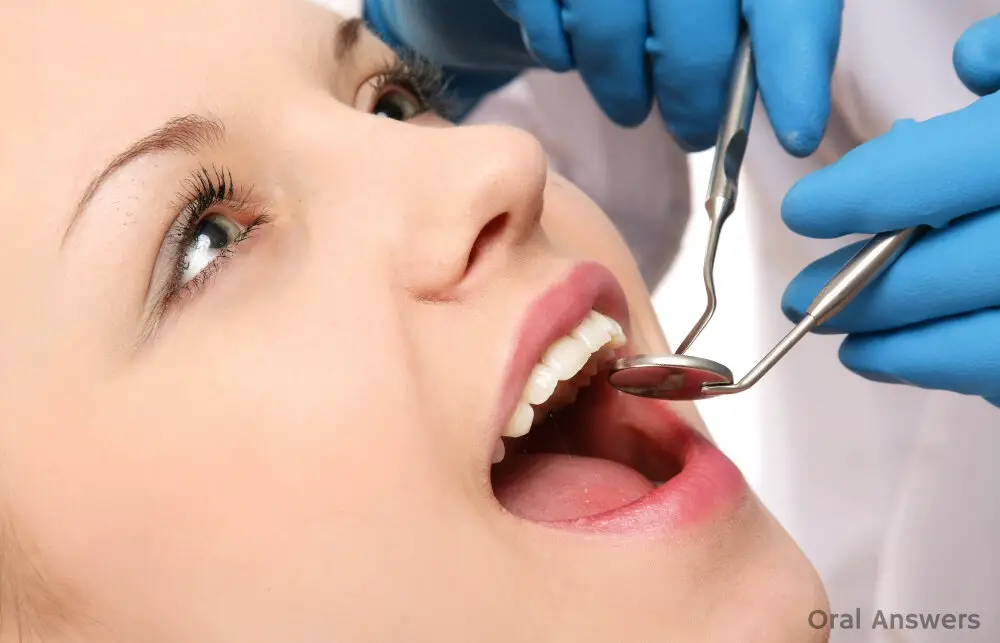
Fear of a dental appointment and reluctance to brush at home are related for some people, but they are not the same problem. If you feel anxious about an appointment, tell the dental team before treatment. You can ask what will happen, request breaks, and agree on a signal to pause. Those options concern care delivered by a dental team; sedation is not a home-brushing strategy.
If past experiences make dental care feel unsafe, it may help to look for a practice that is willing to discuss your concerns and pace care. The NHS dental-anxiety guidance describes ways teams can support patients. You can also read about gum irritation and tooth pain when biting if symptoms—not the appointment itself—are making care difficult.
Cost, time, and access matter too
Supplies, replacement brushes, dental coverage, transportation, housing instability, privacy, shift work, disability, caregiving, and limited time can all affect oral care. These are access and circumstance barriers, not evidence that a person or culture does not value health. A simple setup may be more realistic than buying several devices. If cost is a concern, ask a local dental clinic, public health service, or community program about options where you live.
Do not let claims about oral health become a source of blame. Poor oral health can cause local problems such as tooth decay, gum disease, pain, and tooth loss. Gum disease has been associated with some systemic conditions, including cardiovascular disease and diabetes, but association does not establish that brushing directly prevents those conditions. The ADA describes the limits of causal evidence in its overview of oral-systemic health.
Mouthwash is not a required extra step for everyone and does not replace brushing or cleaning between teeth. A dentist may recommend a specific rinse for a particular reason; otherwise, focus on the routine you can maintain. Likewise, dental visit intervals and professional cleaning needs should be based on a person’s oral health and risk rather than a universal calendar rule.
A low-friction plan to try this week
- Name the barrier. Is it forgetting, starting, taste, gagging, pain, time, supplies, or anxiety?
- Keep the evidence-based core. Aim for twice-daily two-minute fluoride brushing and daily between-teeth cleaning, adapting technique and tools with professional advice as needed.
- Change one thing. Move supplies, add a cue, choose a timer, or try a more tolerable soft brush or fluoride toothpaste.
- Review after a few days. Keep the adjustment if it makes the routine easier. If symptoms are involved, arrange dental advice instead of repeatedly experimenting through pain.
- Restart without punishment. If a session is missed, return at the next available opportunity.
Extra products can wait. If doing the full routine feels impossible on a particular day, a smaller step may help you restart, but it should not be represented as equivalent to the recommended care. Ask a dentist how to prioritize if pain, disability, treatment, or another health concern changes what is feasible. For more on the basics, visit our guides to oral hygiene and interdental cleaning.