Osteoporosis is the most common metabolic bone disease where a gradual and initially imperceptible loss of bone mass occurs. In this disease, the activity of osteoclasts (cells that biodegrade bone) and osteoblasts (cells that build bone) is out of balance. Namely, the osteoclasts degrade significantly more bone than the osteoblasts are able to restore and compensate as is normally the case in healthy people. It is believed that between the twentieth to thirtieth years of life amount of bone mass in human body stabilizes and settles, and without major changes remains the same to fortieth. After forty years of age, bone mass begins to decrease for about 1 percent a year.
Osteoporosis and teeth problems affects millions of people, including more than one third of women older than 65 years. It is estimated that in the United States it affects more than 10 million of people, and causes more than 2 million fractures annually. In another 34 million Americans, the reduced bone density and increased risk of osteoporosis dental implications are identified. Although there is no uniform system of registering patients with osteoporosis, or people with fractures caused by the same condition, one of the biggest USA epidemiological studies of osteoporosis discovered that, based on ultrasound densitometry, it is found in 38.6 percent of respondents. It is believed that the prevalence of osteoporosis in USA is from 10 to 15 percent, and that corresponds to the figure recorded in other European and Asian population. As you can see osteoporosis and teeth breaking are very much connected.
For women in menopause, osteoporosis is usually caused by a decrease in estrogen levels, while after seventy years of age senile osteoporosis appears as a result of lower metabolism of calcium.
There are many states and cases which may cause this medical condition: early entry into menopause, surgical removal of ovaries before menopause, unbalanced menstrual cycle, anorexia, alcoholism, smoking, genetic predisposition, lack of physical activity, certain medications and excessive caffeine intake. Osteoporosis and teeth problems can also affect men , which is usually accompanied by a loss of testosterone, and as the most important factor that contributes to its development is mentioned alcoholism.
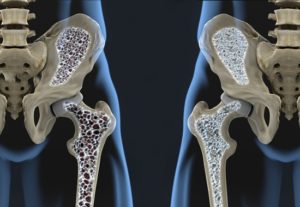 The gradual weakening of the bones, which is usually not accompanied by other symptoms, comes to light the moment when bone fracture occurs in normal life activities. Fractures most often occur on vertebrae and pelvic bones and forearm which significantly affects quality of life, and fractures of the spine or pelvis can cause complications or death.
Osteoporosis can be most reliably diagnosed by measuring bone mineral density which is called bone densitometry (ultrasound or DXA – Dual-energy X-ray absorptiometry). Osteoporosis can be prevented and treated, and therefore, patients should regularly consult a doctor and follow the doctor’s instructions. To raise the level of global awareness about the prevention, diagnosis and treatment of osteoporosis and other metabolic bone diseases, since 1996, on the initiative of the International Osteoporosis Foundation, every year on October 20 the World Day of osteoporosis is marked.
Symptoms of osteoporosis usually remain unnoticed for a long time, until a larger bone fracture occurs. A dentist may notice oral or radiographic findings that prompt discussion of bone health, but a dental exam does not diagnose osteoporosis. Suspected fracture risk should be assessed by a medical clinician. Does osteoporosis affect teeth? Read the next chapter to find out.
Can osteoporosis affect teeth?
Early signs in the mouth that may indicate the presence of osteoporosis are: loose teeth, periodontal disease, dentures which are not well-fitting due to rapid degradation of the jaw bone and difficulties with eating and speaking.
Dental radiographs can help diagnose oral disease and may incidentally show jawbone changes, but they do not measure systemic bone density or diagnose osteoporosis. Current ADA radiography guidance says imaging should be selected when clinically needed for oral diagnosis or treatment. Suspected osteoporosis should be assessed medically, using fracture-risk assessment and DXA when indicated.
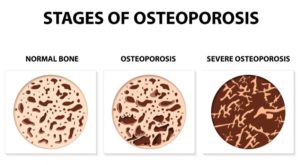 In the advanced stage this disease can lead to severe periodontal disease, tooth loss and accelerate the disappearance of alveolar bone of the jaw. Osteoporosis and tooth loss are common. Due to the gradual disappearance of the alveolar bone, making and wearing prosthetic appliances (dentures) are becoming more difficult, there are disturbances in the consumption of food and beverages and in speech.
Osteoporosis Medicines and MRONJ
Bisphosphonates include medicines such as alendronate, ibandronate, risedronate and zoledronic acid. Denosumab is a RANKL inhibitor, while raloxifene is a selective estrogen-receptor modulator; neither is a bisphosphonate. These medicines reduce fracture risk through different mechanisms. See the American Dental Association overview of osteoporosis medications.
In recent years, in technical and scientific literature we can more often find reports on cases of osteonecrosis of the jaw in patients who were treated with bisphosphonates.
The current term is medication-related osteonecrosis of the jaw (MRONJ), because the condition is associated with more than bisphosphonates. AAOMS defines it by current or previous exposure to relevant medicines, exposed or probeable jaw bone persisting for more than eight weeks, and no history of jaw radiation or obvious jaw metastasis. MRONJ is rare at osteoporosis treatment doses but can be serious. See the AAOMS position paper and ADA guidance.
Denosumab is a RANKL-inhibiting antiresorptive medicine used for osteoporosis; it is not a future replacement for bisphosphonates, and it should not be described as having categorically fewer side effects. Like other bone-active medicines, it has a rare but serious association with MRONJ. The dose and treatment indication matter: osteoporosis regimens differ from higher-dose cancer regimens. Patients should discuss benefits and risks with their prescriber and dentist. ADA medication guidance.
The patient is required to inform his dentist about all medications he takes, including those relating to the treatment of osteoporosis.
Considering the increasing number of drugs and medical preparations on the market, it is recommended that patients write a list of medications they take and that the list becomes a part of the patient’s dental records. People with osteoporosis and tooth decay should specifically warn their dentist if they are taking bisphosphonates or other antiresorptive drugs. It is not advisable that, due to dental treatment, patients decide on their own to discontinue osteoporosis treatment, because the risk of developing osteonecrosis of the jaw is considerably less than the possible risks and complications that untreated osteoporosis may lead.
Dental Treatment
Some dental procedures in people with osteoporosis are associated with an elevated level of risk of developing certain complications. These complications are not so much related to the nature of the disease, but more with the drugs used in the treatment, primarily bisphosphonates as the most common remedy for osteoporosis.
Preventive dental procedures, conservative treatments, endodontic treatments, non-invasive periodontal procedures and making the prosthetic replacement (dentures and bridges) in people with osteoporosis usually can be carried out without any special restrictions.
Orthodontic treatment is not contraindicated, but still it is preferable that, in planning orthodontic treatment in patients with osteoporosis, the dentist and the doctor who treated the patient with osteoporosis consult and identify potential risks to which orthodontic treatment can lead. In this way, it is possible to prevent and/or reduce any adverse effect of orthodontic treatment.
Invasive dental procedures such as oral surgical and periodontal-surgical procedures should be carefully planned considering the risk of osteonecrosis of the jaw caused by bisphosphonates.
Tooth extraction is a recognized setting for MRONJ in people taking relevant medicines, but it should not be described as the main cause or assigned a universal 60/40 split. MRONJ can also occur without a dental procedure. At osteoporosis doses the risk is low, while fracture-prevention benefits generally outweigh it. Preventing and treating dental disease can reduce the need for invasive procedures; discuss individual risks with the dentist and prescriber. ADA guidance.
Osteoporosis and dental implants
Implant placement is not automatically contraindicated for someone receiving osteoporosis-dose antiresorptive therapy. Evidence about long-term implant outcomes is limited, so the decision should account for the medication, dose, duration, oral infection and planned surgery. This is different from higher-dose cancer therapy. Patients and clinicians can review the AAOMS position paper when discussing individual risks.
Preventive Oral Hygiene Measures
People with osteoporosis and a predisposition to its development should take food rich in calcium and vitamin D (milk and dairy products, broccoli), avoid fizzy drinks as phosphoric acid can prevent the absorption of calcium, regularly engage in any physical activity, less smoke and less consume alcohol, and of course abide by the advice and instructions of doctor.
All general oral hygiene preventive measures (regular tooth brushing, flossing and using of interdental brush) healthy diet and regular dental visits are also valid for people with osteoporosis teeth problems. However, these patients should intensify care of their oral health, because if a need for invasive dental procedure appears, such as tooth extraction, there is an increased risk of complications of the primary disease and the occurrence of osteonecrosis of the jaw.
Conclusion
Osteoporosis is common, particularly with advancing age. A dentist may notice oral findings that warrant follow-up, but cannot diagnose osteopenia or osteoporosis; suspected bone-health risk needs medical assessment. It would be good for patients to visit their dentist before starting bisphosphonate therapy or shortly after the start of treatment, to discuss oral health and treatment planning with the dentist and prescriber.