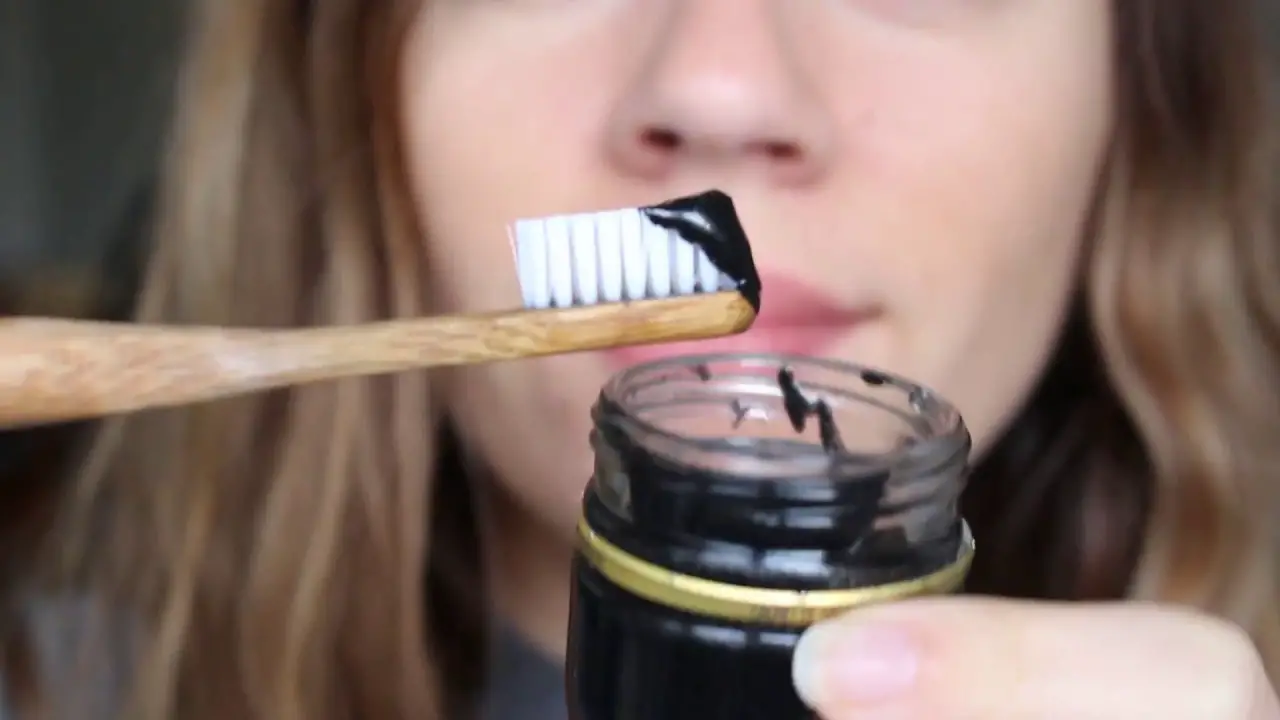
Charcoal toothpaste claims examined against fluoride content, abrasivity concerns and realistic stain-removal expectations.
Charcoal toothpaste became popular through visual marketing and 'detox' language, but a dramatic black paste does not create stronger evidence. The practical questions are simpler: does the formula contain useful preventive ingredients, how abrasive is it, and what whitening outcome is actually plausible?
We treat broad toxin-removal or health claims skeptically. A charcoal formula should still be judged by the same dental fundamentals as any other toothpaste.
Do not let novelty replace the basics
If the goal is daily toothpaste, cavity-prevention ingredients and tolerability matter more than charcoal itself. If the goal is stain removal, compare the product with conventional whitening toothpastes and dedicated whitening methods rather than assuming charcoal is uniquely effective.
We check fluoride status, stated active ingredients, whitening mechanism, abrasivity information where available, sensitivity/tolerability, staining mess, price and whether marketing claims are proportionate to evidence.
Charcoal toothpaste is becoming increasingly popular recently. And this is not just a hipster trend, this stuff works and can help you whiten your teeth. Getting your teeth completely black to help them get whiter might seem counter – productive to you, and you must be thinking this…
Archived product information. Listed prices, ratings and availability reflect the original snapshot.
Frequently asked questions
Does charcoal detox the mouth?
That is not a useful evidence-based way to judge toothpaste. Focus on plaque control, cavity prevention and the specific cosmetic outcome claimed.
Can charcoal whiten teeth?
Some products may help remove surface stain, but that is different from peroxide bleaching and should not be oversold.
Should charcoal toothpaste contain fluoride?
If cavity prevention is a priority, fluoride status is an important part of the product decision.
Longevity Research Review keeps a focused dental library because oral comfort, function and disease prevention matter across the lifespan. Product guides are evaluated for practical usefulness and evidence quality; broader oral-systemic claims are treated cautiously.