Evidence-based oral health, prevention and practical dental care—organized for decisions, not just a stream of posts.
Dental health is where the retained DentalsReview library becomes most useful as part of Longevity Research Review. This page brings together practical guidance on brushing, interdental cleaning, fluoride, gum health, dry mouth, whitening, dental products and common oral-care questions.
The goal is not to turn every dental topic into a longevity claim. Healthy teeth, gums, comfort and chewing ability are worthwhile outcomes on their own. Where oral health overlaps with nutrition, chronic disease, medications or healthy aging, we separate established dental guidance from broader associations that may still be uncertain.
Start with the problem you are trying to solve
For daily prevention, begin with brushing, fluoride toothpaste and interdental cleaning. For a product decision, move into toothbrush, toothpaste, flossing or mouthwash guides. For pain, bleeding, persistent dry mouth, swelling, a broken tooth or other symptoms that may need diagnosis, consumer guides are not a substitute for dental care.
We prioritize established preventive guidance, plausible mechanisms, quality of clinical evidence, ease of correct use, safety considerations and realistic cost. Product pages should clearly distinguish measurable dental outcomes from marketing language.
Well, several factors such as unhealthy eating habits and lifestyle, lack of hygiene and failure to make up for regular dental appointments can lead to tooth and gum problems. Therefore, if you want to enjoy healthy and pearly white smile, taking care of your teeth and gums is…
Your kitchen is more than just a place to satisfy your hunger. It contains ingredients with bioactive compounds that have been studied for several health effects, although evidence varies substantially by condition and dose. Among many such ingredients present inside your vegetable basket, ginger turns out to be…
Winters are one of the most favorite seasons of most people. The charm that winter carries is beautiful. Winters bring with it a lot of joy, delight, and fun. Be it the snow falling outside your window or the rays of the warm winter sun brightening up your…
Dental and oral health maintenance is an important aspect of a healthy lifestyle. And people should be made aware of the types of surgeons or dentists they should visit for proper oral treatment. Below are the dental specialists and dental procedures available to help readers address their different…
Children with autism often experience sensitivity to touch, light, and sound. For these and other reasons, routine dental visits and practising good oral health may be challenging. Taking each child’s needs in mind, family members and dental professionals can provide them with the skills necessary for good oral…
Tonsils are two small tissues that are situated at the back of the throat. These are part of the body’s immune system and produce antibodies and white blood cells to help protect the body against infections.
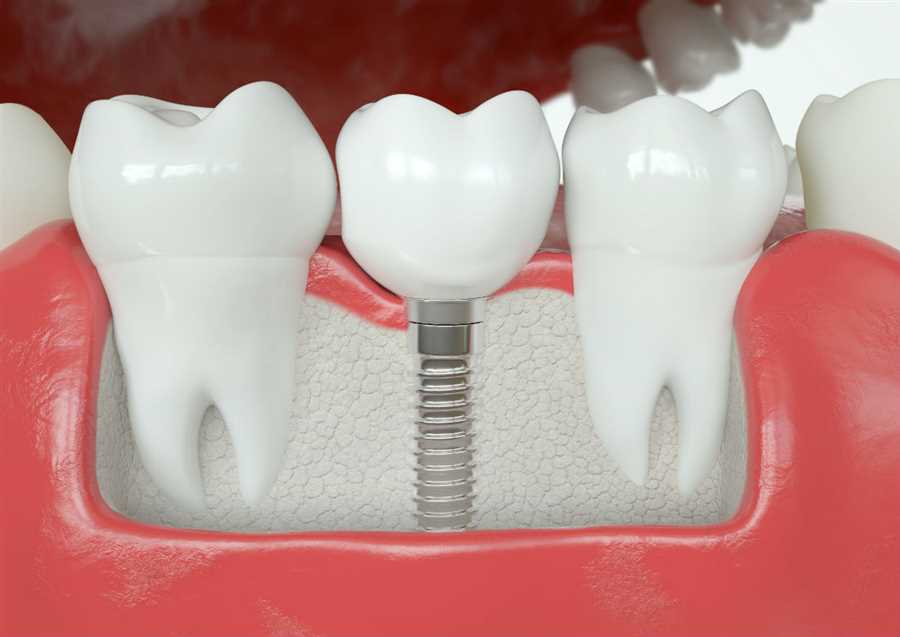
Teeth are there for our important day-to-day bodily functions, like talking, eating, and chewing. Your teeth are prone to damage either through injury or infection. Tooth loss is common, and people may choose replacement options for function, appearance, or both.
With regular brushing and flossing, both children and adults can work to prevent cavities. However, younger children who are still learning how to thoroughly brush their teeth can become more susceptible to cavities. Bacteria that are missed can quickly build up in the indentations and natural grooves of…
Temporomandibular joint (TMJ) disorder is a painful condition of the lower jaw muscles and joints connecting directly to the jaw. These joints are on either side of the jaw in front of the ears. The joints are for moving actions including talking and chewing. Many people live with…
It is not uncommon for people to experience problems with their mouth, teeth, or jaw. In some cases, it’s nothing to worry about as it goes away after a few days, but in other cases, one may need to get help from a qualified dental surgeon in Toronto.
Frequently asked questions
What matters most for basic dental prevention?
Consistent plaque removal, fluoride exposure where appropriate, limiting frequent sugar exposure and regular professional care form the practical foundation. The best product is the one that supports those basics reliably.
Does better oral health automatically improve longevity?
No. Oral health is important in its own right, and many oral-systemic associations are under study, but an association does not by itself prove that changing one dental factor extends life.
Where should I start if I am choosing products?
Use the Toothbrush, Toothpastes, Flossing and Mouthwash sections to compare tools by use case rather than chasing one universal 'best' product.
Longevity Research Review keeps a focused dental library because oral comfort, function and disease prevention matter across the lifespan. Product guides are evaluated for practical usefulness and evidence quality; broader oral-systemic claims are treated cautiously.