Ginger for Oral Health: What It May Help — and What It Cannot Treat
Your kitchen is more than just a place to satisfy your hunger. It contains ingredients with bioactive compounds that have been studied for several health effects, although evidence varies substantially by condition and dose. Among many such ingredients present inside your vegetable basket, ginger turns out to be one of the finest! Surprising, isn’t it? A root vegetable that comes handy to bring a spicy kick to your dishes is also capable of providing several health benefits that include better gut health, reducing nausea, and combating bacterial infection. Food-based remedies may be interesting adjuncts, but they should not replace treatments that are known to prevent or treat dental disease. Fortunately, this superfood also takes care of our most overlooked aspect of health, which is oral health.
Maintaining oral hygiene is extremely simple, yet people take it for granted and neglect its bare minimum demands. Your mouth is the gateway to your body, and it is very important to keep an eye on your oral health in case you wish to achieve a healthy body. Overlooking dental health causes innumerable bacterias to settle in your mouth that is not only limited to wrecking your dental health, but it can also cause infections in other parts of the body. Ginger has anti-inflammatory and antimicrobial activity in laboratory research, and ginger-containing oral rinses have been studied for plaque and gingival outcomes. That evidence does not show that chewing ginger treats the cause of a toothache, repairs a cavity, or restores damaged gums. There is so much more to this superfood that people are yet to acknowledge. Let us find out!
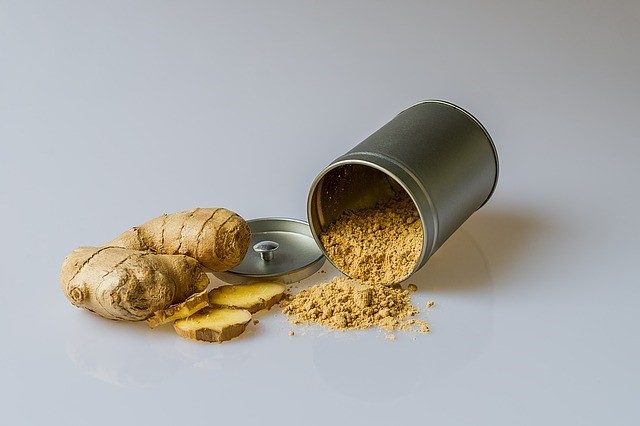
Why Ginger is a superfood?
Ginger contains bioactive compounds, but research on dental benefits remains limited.
*Anti-inflammatory: Ginger contains compounds with anti-inflammatory activity, but this should not be presented as a proven treatment for dental pain.
*Antimicrobial: Ginger extracts show antimicrobial activity in laboratory studies, and some small oral-rinse studies report plaque-related benefits; this is not equivalent to preventing “many oral conditions.”
*Antioxidant compounds: Gingerols and related compounds have antioxidant activity, but antioxidant activity alone does not establish that ginger prevents gum disease.
These findings make ginger worth studying, but do not show that it treats oral disease or heals damaged teeth.

Ginger for various oral concerns
Ginger mouthrinses have been studied for plaque and gum inflammation, but evidence is limited and does not show they treat cavities, infections, or toothache.
Ginger for toothache
A toothache is a symptom, not a diagnosis. Common causes include decay, a crack, pulp inflammation, gum or periodontal problems, and dental infection. Ginger may have general anti-inflammatory properties, but there is not good evidence that chewing raw ginger treats the cause of a toothache. Persistent, severe, localized, or swelling-associated pain should be assessed by a dentist rather than repeatedly treated with a food remedy.
Ginger for bad breath
If you think brushing and flossing are enough to maintain your oral hygiene, then you are highly mistaken. There are often instances where religiously following your oral cleansing methods are ineffective. This is when concerns such as bad breath occur. Bad breath is not only an embarrassment, but it also indicates oral disease that you might not be able to detect by yourself. Ginger may temporarily change the taste or smell of the mouth, and experimental work has examined effects of ginger compounds on salivary chemistry. Persistent bad breath, however, is more appropriately addressed by plaque control, tongue cleaning when needed, management of dry mouth, and evaluation for gum disease or other causes.

Ginger for cavity
Tooth decay is a biofilm-mediated process driven by repeated acid attacks after bacteria metabolize dietary sugars and starches. Early noncavitated mineral loss can sometimes be arrested or reversed with fluoride and other evidence-based preventive measures. Once the tooth surface has broken down into a cavity, the damage does not heal because a person eats or applies ginger; dental treatment is usually needed to arrest or restore the lesion.
Ginger for plaque
Dental plaque is a structured biofilm that continuously forms on tooth surfaces. Repeated acid production by plaque bacteria after exposure to sugars and starches can contribute to tooth decay. Some small studies of ginger-containing mouthrinses report reductions in plaque or gingival indices, but the evidence base is limited and does not establish ginger as a replacement for fluoride toothpaste, twice-daily brushing, interdental cleaning, or professional care.
Ginger for gum protection
Oral health is not just limited to the teeth. Good oral health demands equally strong gums to support overall dental health. Gums protect the roots of teeth, and it is only wise that we protect the gums from providing total protection to the teeth. Gums are sensitive and more likely to get damaged through harsh brushing and flossing, Research on ginger-containing oral products for gingival inflammation is preliminary and does not establish ordinary ginger consumption as a gum treatment. Ginger-containing oral products are being studied for gingival inflammation, but ordinary ginger consumption has not been established as a treatment that strengthens gums or prevents gingivitis. Gingivitis, if left untreated, may develop into severe periodontitis. Damaged gum lines due to infection or harsh brushing can expose the roots of teeth that usually causes sensitivity and extreme cases, falling out of teeth in adults. Gum health still depends primarily on effective plaque control, tobacco avoidance, appropriate professional cleaning, and treatment of established periodontal disease.

How to use ginger for oral health?
Ginger is a versatile ingredient; use these food suggestions for flavor, not to treat cavities, infection, or unexplained tooth pain.
Raw ginger: Fresh ginger can be eaten as a food if you tolerate it, but do not crush or hold raw ginger against an aching tooth as a substitute for diagnosis. If a tooth hurts, the priority is to identify the cause; temporary symptom relief can otherwise delay treatment of decay, a crack, pulp disease, or infection.
Ginger for meals: As ginger is a versatile ingredient, you can add it into your favorite meals to provide it with a spicy, and at the same time, a medicinal kick. You can use freshly chopped ginger in a savory salad dressing to consume it fresh, or you can add it in a spicy dish too. In case you crave something sweet, make sure you don’t forget your dental health. Ginger can be used in meals for flavor, but sugary gingerbread or other sweets still expose teeth to fermentable carbohydrate and should not be described as an oral-health treatment.
Ginger tea: Ginger tea is one of the most common methods that people use to consume the medicinal properties of ginger. Warm ginger tea may feel soothing, but it should be described as a beverage rather than a dental treatment. Take a small piece of fresh ginger. Peel off the outer skin and chop it into small pieces. Put it into a pan of boiling water for a minute or two. Rinse the boiling water into a mug, and your ginger tea is ready to drink. You can also add additional flavors to improve the taste of the tea while consuming the benefits of it if the ingredients are therapeutic as well.
Ginger is a useful culinary ingredient and an active area of research, but current evidence does not support using it to cure a cavity, treat a dental infection, or replace professional care for persistent toothache or gum disease. Use established oral-hygiene measures and contact a dentist when symptoms persist, worsen, or include swelling, fever, drainage, or difficulty chewing.