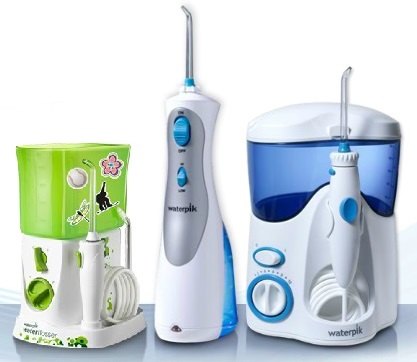
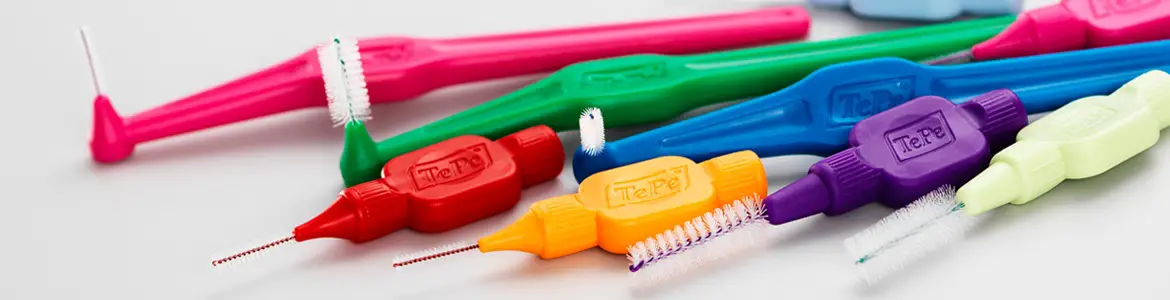
Floss, interdental brushes and water flossers compared by fit, technique and the spaces they are meant to clean.
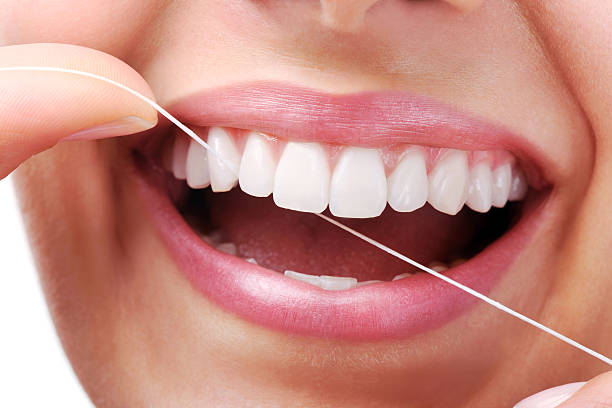
Interdental cleaning is not one single technique. Traditional floss can work well where contacts are tight, interdental brushes can be easier and more effective in larger spaces, and water flossers offer another approach for people who find string floss difficult or have appliances that complicate cleaning.
This category focuses on matching the tool to the person. Hand dexterity, gum condition, spacing, braces, bridges, implants and willingness to use the method every day can matter more than small differences between products.
Choose a method you can use correctly and consistently
The practical question is not simply 'floss or no floss.' It is which interdental method reaches your spaces without causing unnecessary trauma and which one you will actually use. Technique, sizing and consistency determine much of the real-world value.
We look at access between teeth, ease of use, comfort, recurring cost, replacement availability, evidence for plaque and gingival outcomes, and whether the design encourages gentle rather than aggressive use.
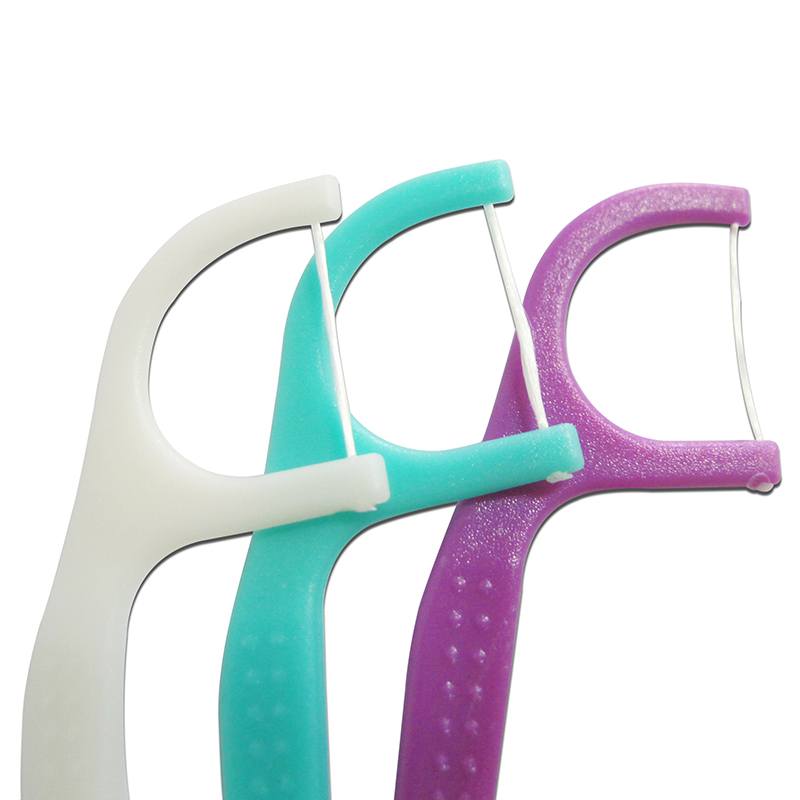
Floss picks are widely used and they come in many sizes and with different features. For average users, this means that choosing the best floss picks is complicated. After all, you should pay attention to the quality, value for money, safety, environmental factors and etc. Luckily, we reviewed…
Affiliate disclosure: DentalsReview may earn a commission if you buy through links on this page. This does not affect how we describe a product. We did not conduct hands-on wear or performance testing for this update; product descriptions are checked against manufacturer information, while the flossing guidance is…
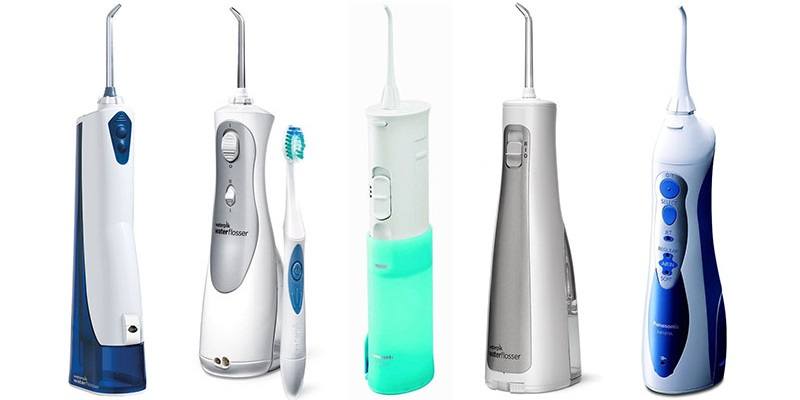
There are many different ways to clean your teeth. However, if you want to be thorough you have to use the best Cordless Water Flosser because it will thoroughly clean your gums and teeth by using water pressure. It is similar to a countertop Waterpik Water Flosser, but…
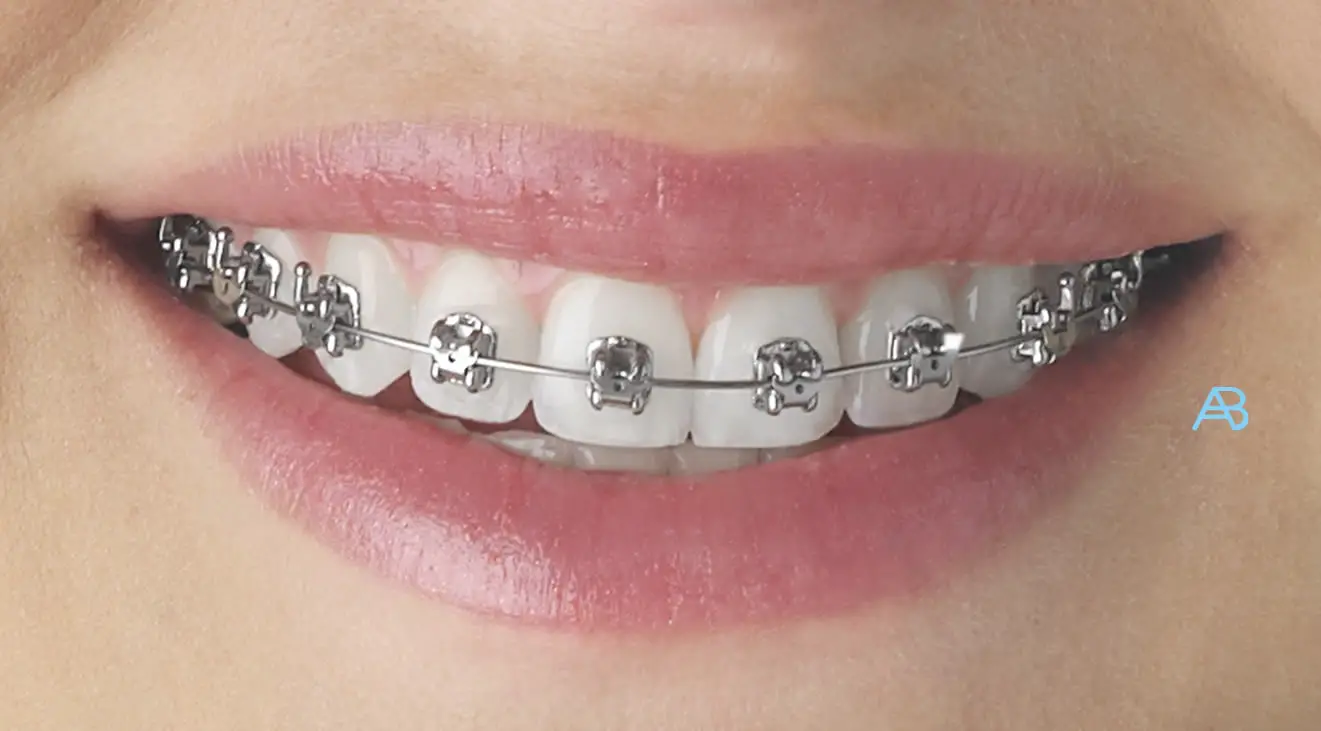
Wearing dental braces or any other orthodontic appliances is tough and it requires additional maintenance which is challenging no less. So, it is impeccable to use proper tools to remove plaque and debris around wires and hard to reach places. Conventional flossing and brushing aren’t very useful. Luckily,…
Reviews of the 5 best Waterpik models. Comparison tables for all Waterpik products! Heal your gums and protect your teeth with these excellent water flossers.
Why use an interdental brush? The most common cause of oral diseases, such as gingivitis and caries, forms between your teeth. From the twelfth year of life, it is necessary to daily maintain complete oral hygiene, especially in interproximal spaces between the teeth. To help you decide which one…
Frequently asked questions
Is string floss always the best option?
No. It can be excellent for tight contacts, while interdental brushes or water flossers may be more practical for other spaces or appliances.
Should flossing hurt or make gums bleed?
Persistent pain or bleeding deserves attention. New cleaning can reveal inflamed gums, but forceful technique can also cause injury; ongoing bleeding should be discussed with a dental professional.
How often should interdental cleaning be done?
Regular daily cleaning is a common preventive target, but the right tool and technique should fit your mouth and professional advice.
Longevity Research Review keeps a focused dental library because oral comfort, function and disease prevention matter across the lifespan. Product guides are evaluated for practical usefulness and evidence quality; broader oral-systemic claims are treated cautiously.