Evidence-based oral health, prevention and practical dental care—organized for decisions, not just a stream of posts.
Dental health is where the retained DentalsReview library becomes most useful as part of Longevity Research Review. This page brings together practical guidance on brushing, interdental cleaning, fluoride, gum health, dry mouth, whitening, dental products and common oral-care questions.
The goal is not to turn every dental topic into a longevity claim. Healthy teeth, gums, comfort and chewing ability are worthwhile outcomes on their own. Where oral health overlaps with nutrition, chronic disease, medications or healthy aging, we separate established dental guidance from broader associations that may still be uncertain.
Start with the problem you are trying to solve
For daily prevention, begin with brushing, fluoride toothpaste and interdental cleaning. For a product decision, move into toothbrush, toothpaste, flossing or mouthwash guides. For pain, bleeding, persistent dry mouth, swelling, a broken tooth or other symptoms that may need diagnosis, consumer guides are not a substitute for dental care.
We prioritize established preventive guidance, plausible mechanisms, quality of clinical evidence, ease of correct use, safety considerations and realistic cost. Product pages should clearly distinguish measurable dental outcomes from marketing language.
Pain in the face and mouth regions (orofacial pain) can have odontogenic (caused by the tooth) and nonodontogenic origin. Also this pain could be acute or chronic nature. Unlike chronic pain (long-lasting pain that lasts longer than three months and has no physiological justification), acute pain is short-lived…
Diving with oxygen bottles, so called SCUBA diving (self-contained underwater breathing apparatus), is today’s very popular sport. Number of it’s fans from the mid-20th century is increasing each year. With this increasing number of fans its impact on overall health also expands, thus increasingly engage physicians, dentists, clinicians,…
Myasthenia gravis is a relatively rare disease from the group of autoimmune neuromuscular diseases that was first described more than 400 years ago. The very name of the disease comes from a combination of Greek and Latin words, which in Greek mus means muscle, sthenos means weakness, and…
For women in menopause, osteoporosis is usually caused by a decrease in estrogen levels, while after seventy years of age senile osteoporosis appears as a result of lower metabolism of calcium.
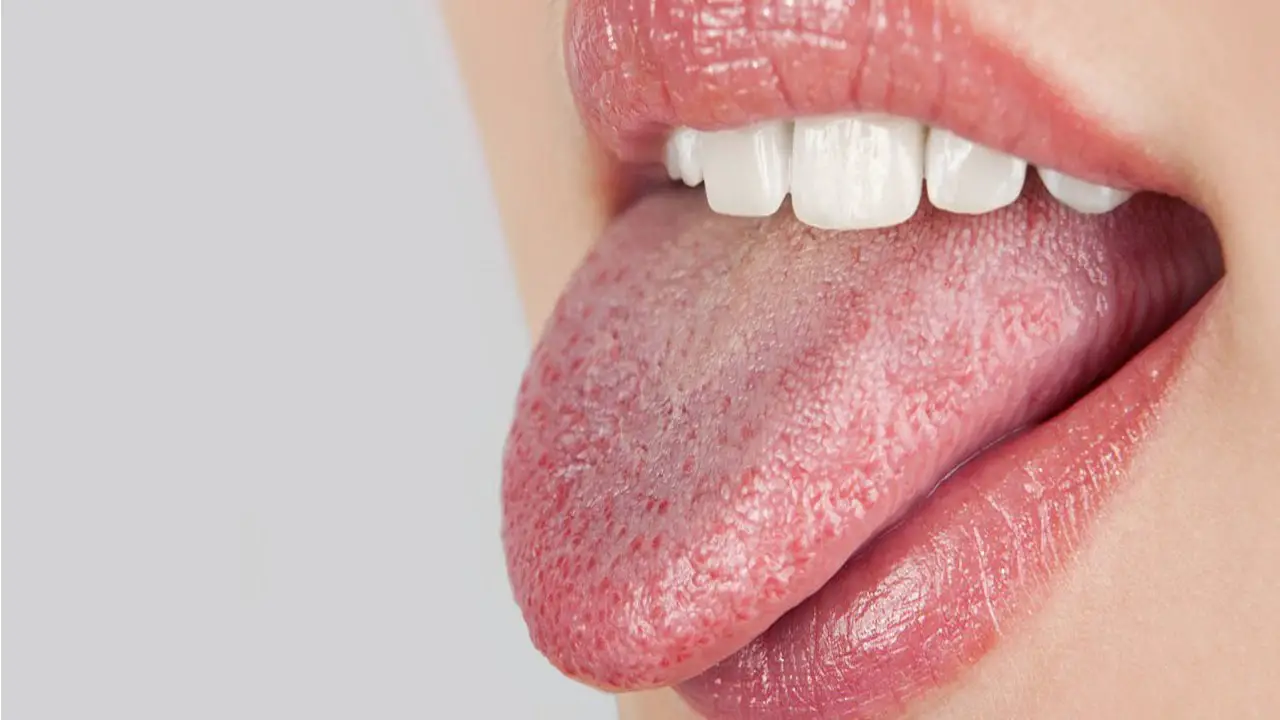
Xerostomia is the subjective feeling of a dry mouth; hyposalivation means saliva flow is objectively reduced. The terms often overlap but describe different findings. Persistent dryness can interfere with speaking, chewing and swallowing, and reduced saliva removes some of the mouth’s natural protection against cavities and infection. Care…
Bacterial infections such as primary and secondary syphilis can manifest in the mouth as a nonspecific ulcerations on the lips, tongue, palate, gums or palatine tonsils, and may be accompanied by regional lymphadenopathy.
Ejection of the entire tooth is the most dramatic and the most complex oral injury, which is considered as an emergency dental situation and it is necessary to visit the dentist as soon as possible!
To decide whether implants are right for you, it is necessary to consult with your dentist, a specialist in oral surgery and/or prosthetic. Dental implant procedure is one of the more complicated procedures in dentistry. During this review, the dentist will carefully examine your teeth and gums and…
During the Second World War, in the absence of conventional sugar, Scandinavians began to use sugar which is received from the bark of birch trees. After that, interest in Xylitol began again in the eighties and has continued to grow to this day. Until now, it has only been…
Review of the top 6 baby teething toys. Why are they important for proper baby development and how to choose best baby teether for your baby, find out in this blog post.
Frequently asked questions
What matters most for basic dental prevention?
Consistent plaque removal, fluoride exposure where appropriate, limiting frequent sugar exposure and regular professional care form the practical foundation. The best product is the one that supports those basics reliably.
Does better oral health automatically improve longevity?
No. Oral health is important in its own right, and many oral-systemic associations are under study, but an association does not by itself prove that changing one dental factor extends life.
Where should I start if I am choosing products?
Use the Toothbrush, Toothpastes, Flossing and Mouthwash sections to compare tools by use case rather than chasing one universal 'best' product.
Longevity Research Review keeps a focused dental library because oral comfort, function and disease prevention matter across the lifespan. Product guides are evaluated for practical usefulness and evidence quality; broader oral-systemic claims are treated cautiously.