Floss, interdental brushes and water flossers compared by fit, technique and the spaces they are meant to clean.
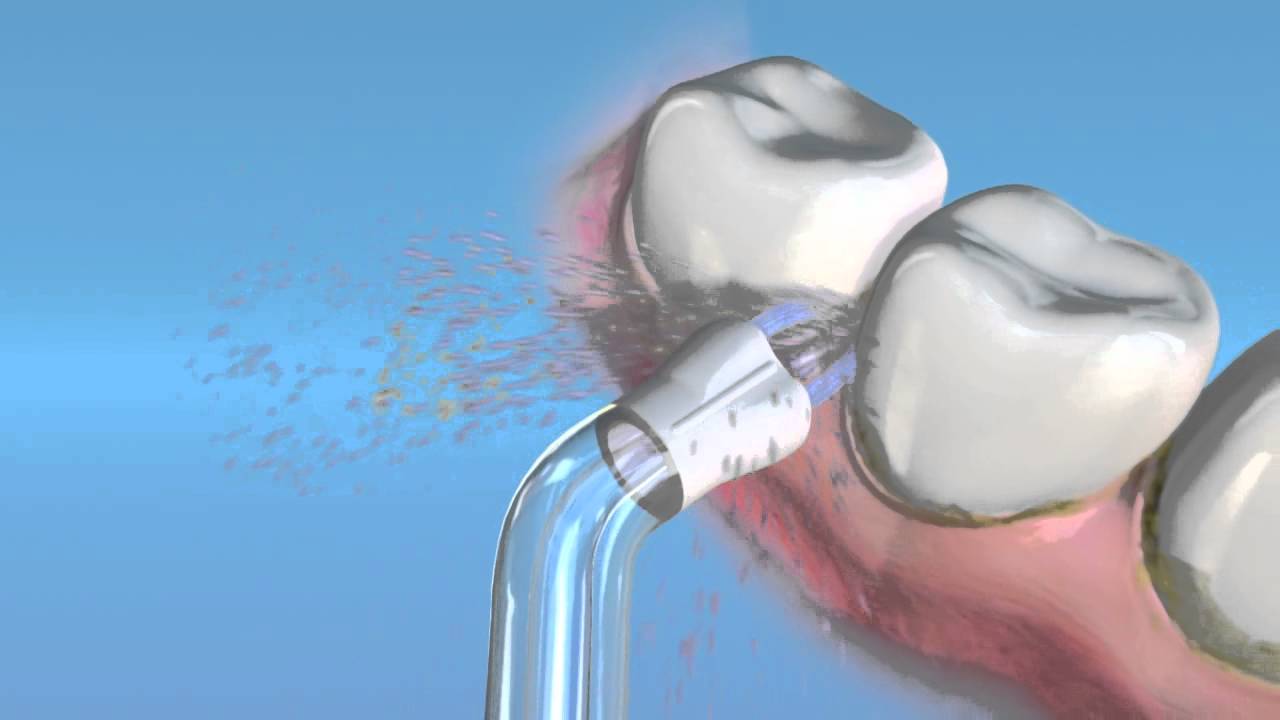
Interdental cleaning is not one single technique. Traditional floss can work well where contacts are tight, interdental brushes can be easier and more effective in larger spaces, and water flossers offer another approach for people who find string floss difficult or have appliances that complicate cleaning.
This category focuses on matching the tool to the person. Hand dexterity, gum condition, spacing, braces, bridges, implants and willingness to use the method every day can matter more than small differences between products.
Choose a method you can use correctly and consistently
The practical question is not simply 'floss or no floss.' It is which interdental method reaches your spaces without causing unnecessary trauma and which one you will actually use. Technique, sizing and consistency determine much of the real-world value.
We look at access between teeth, ease of use, comfort, recurring cost, replacement availability, evidence for plaque and gingival outcomes, and whether the design encourages gentle rather than aggressive use.
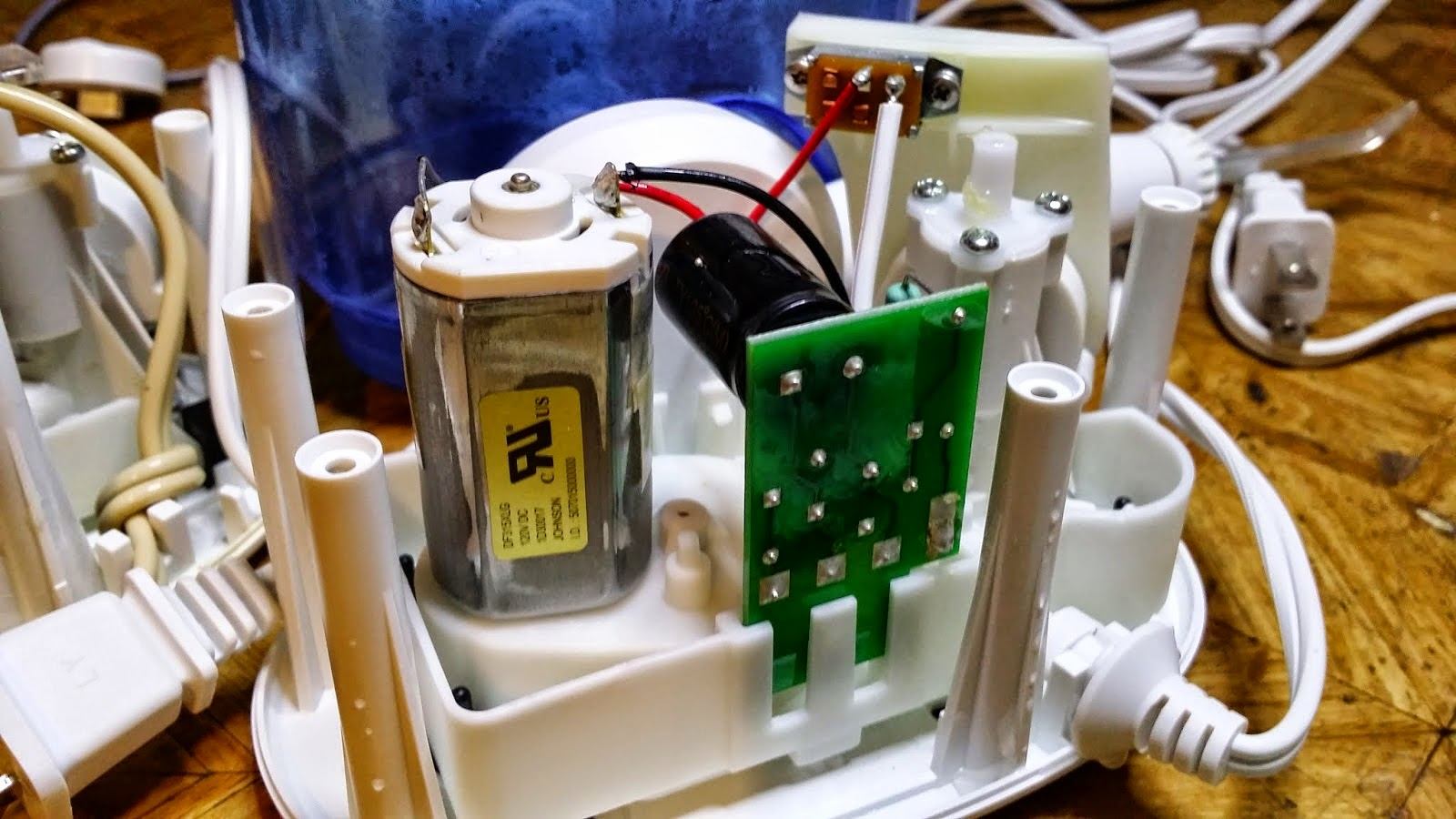
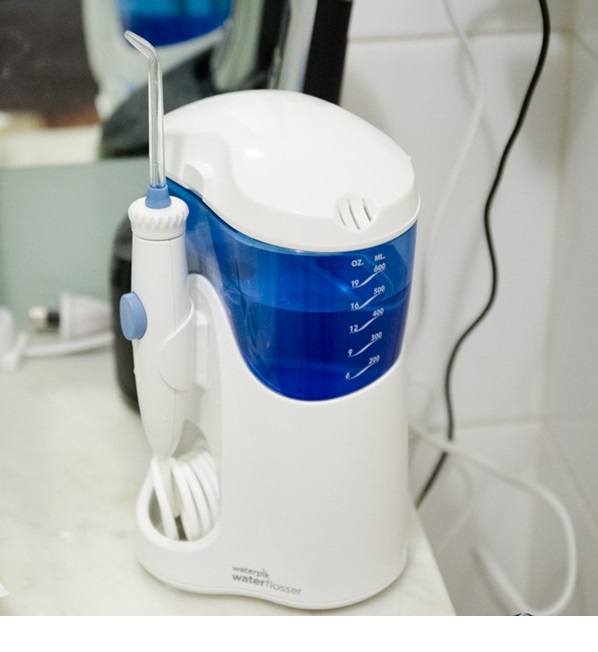
Oral hygiene is essential, and having a Waterpik device is an excellent way to ensure your teeth and gums are healthy. If a Waterpik device fails to charge, the issue can disrupt its regular use. That’s why having a fully functional Waterpik charger is crucial.
What if you are looking for a high-end water flosser, a device which is the best in so many ways and the one that can help you maintain the oral hygiene as pristine as possible? In that case scenario, you will need the Waterpik Aquarius Water Flosser WP…
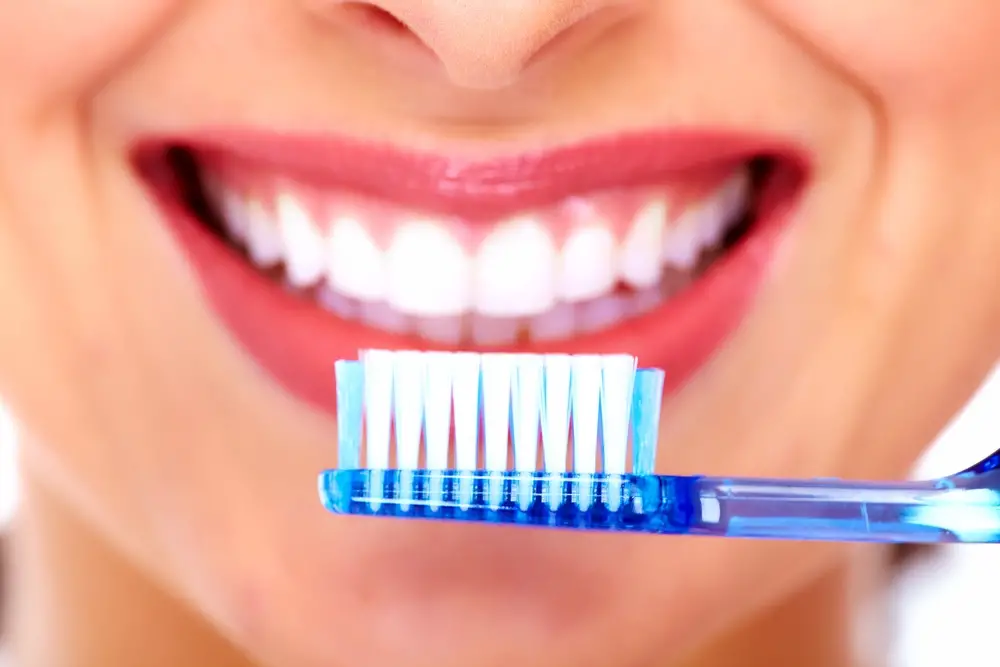
Dental hygiene is very important part of an everyday routine and cannot be overlooked. Brushing teeth carefully keeps your teeth clean and not only helps you fight bad breath but also means a lot for the overall health of every individual, not to mention all the benefits it…
Quick answer: Use a water flosser before brushing as a practical default: Waterpik’s professional guidance recommends that order, so brushing can follow the removal of loosened food and debris. Its consumer guide also says either order is acceptable. A 2026 trial found some plaque differences when people used…
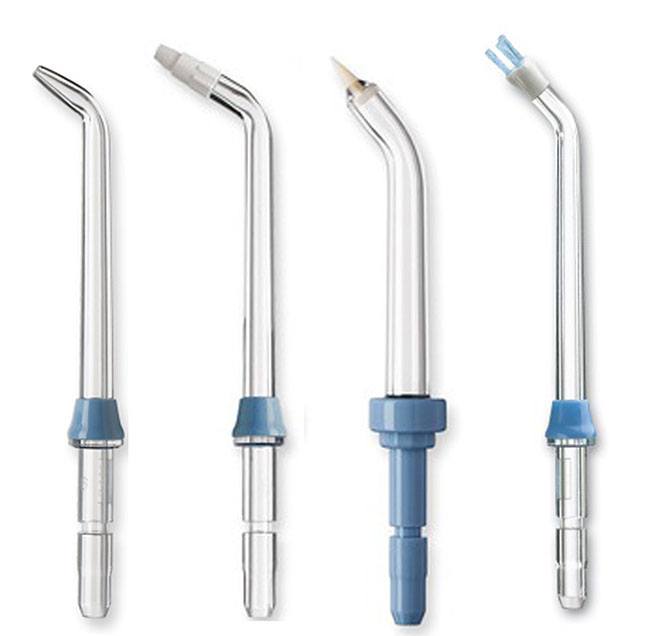
Waterpik replacement tips are something that can make a water flosser much better. Here we have specialized tips, capable of performing just one operation, or those which can perform multiple ones. waterpik replacement tipsIt is up to you to decide which one you need, but experts recommend usage…
Here we have the Waterpik WP260, a product specifically designed for kids and for providing the best results. We liked this model due to the fact it has been optimized for teeth and gums of children aged 6-12 years. The Waterpik water flosser for kids is one of…
We’ve all heard the story million times about how flossing is good for your teeth and that you must not forget it. And also that brushing is not enough to completely clean your teeth, you need to floss daily in order to prevent diseases and that the floss…
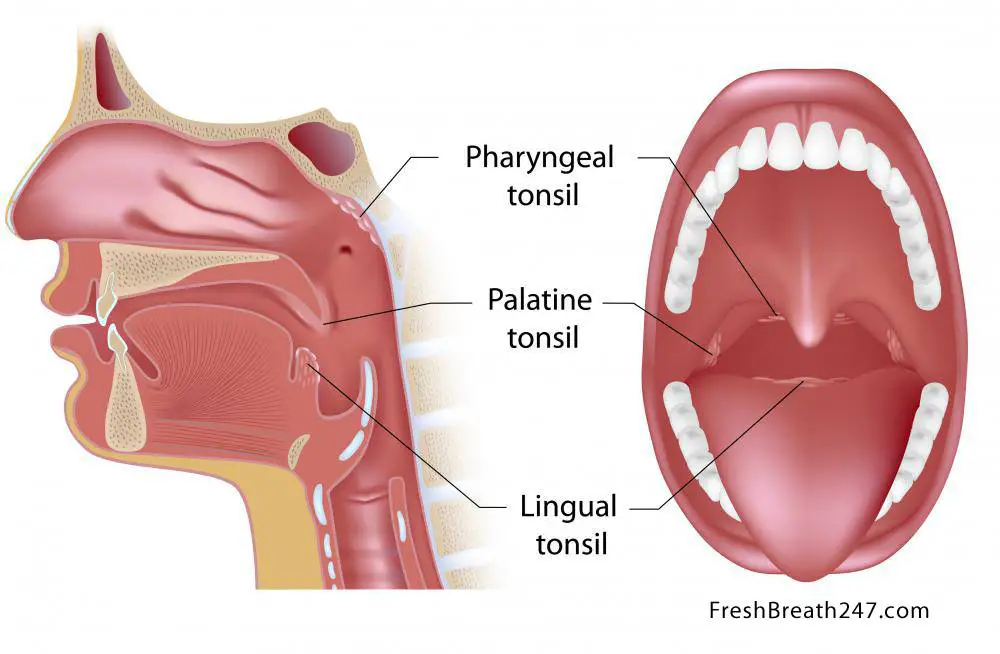
Water flossers lack evidence as a tonsil-stone treatment, and high pressure can injure tonsil tissue. Some medical sources describe a low-pressure irrigator as an option, while other guidance advises against water-jet removal because of injury and aspiration risks. Start with watchful waiting or warm salt-water gargling; ask a…
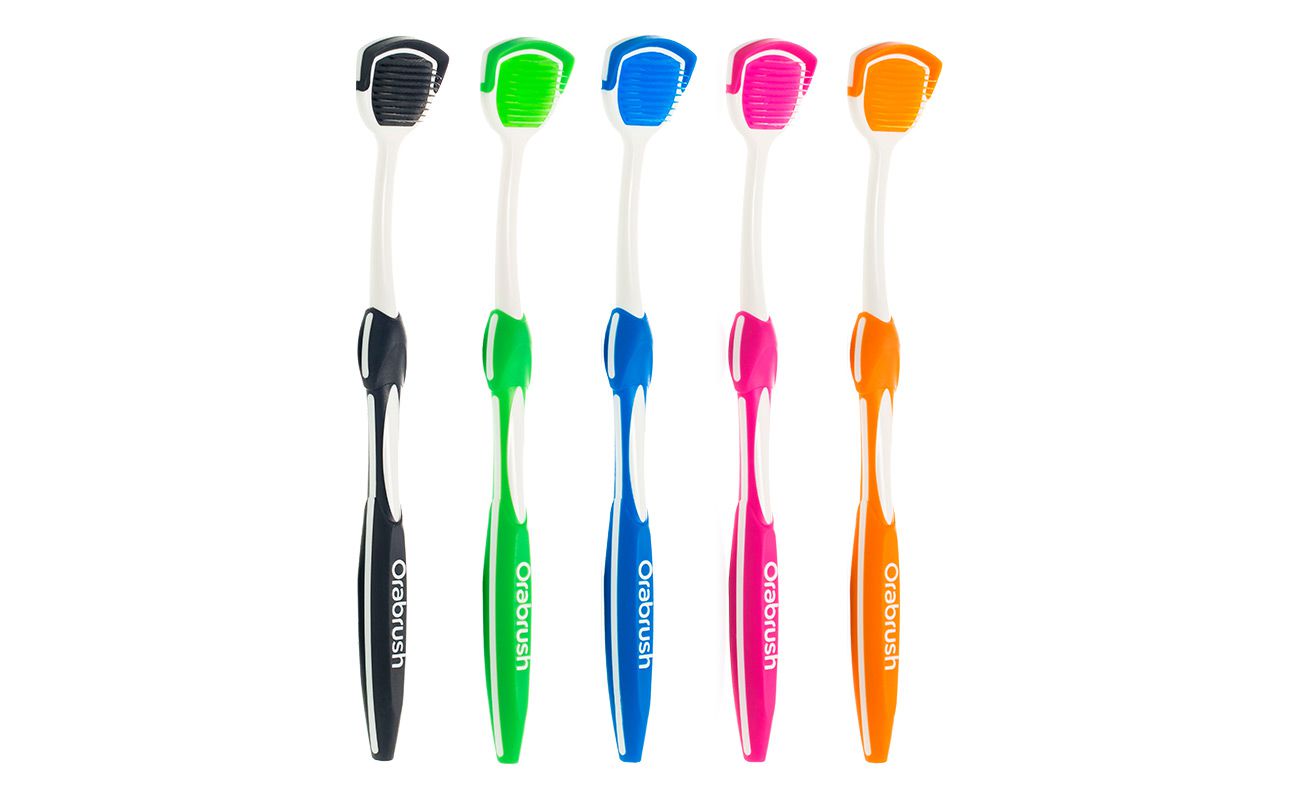
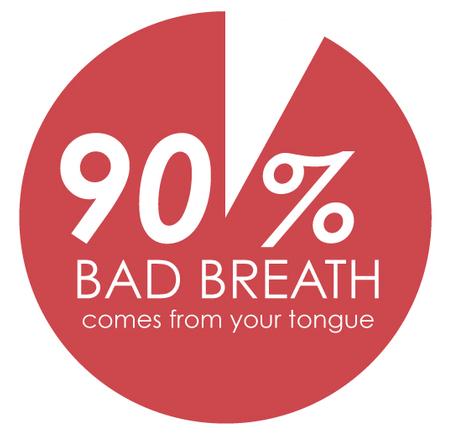
Why would anyone need a tongue scraper, you may ask? Well, there are a few good reasons why you should consider using these strange devices. First and foremost – bad breath issue. Few things are as repelling and gruesome as bad breath. It is caused by bacteria collecting…
Frequently asked questions
Is string floss always the best option?
No. It can be excellent for tight contacts, while interdental brushes or water flossers may be more practical for other spaces or appliances.
Should flossing hurt or make gums bleed?
Persistent pain or bleeding deserves attention. New cleaning can reveal inflamed gums, but forceful technique can also cause injury; ongoing bleeding should be discussed with a dental professional.
How often should interdental cleaning be done?
Regular daily cleaning is a common preventive target, but the right tool and technique should fit your mouth and professional advice.
Longevity Research Review keeps a focused dental library because oral comfort, function and disease prevention matter across the lifespan. Product guides are evaluated for practical usefulness and evidence quality; broader oral-systemic claims are treated cautiously.